
Cardium
A risk management system intended help individuals at heighten risk for coronary artery disease to better monitor their risk factors.
Project
8 weeks, individual
Work
Discovery research
Desk research
User experience design
Industrial design
Software
Adobe Suite
FigJam
Solidworks
Keyshot

Problem
Heart disease is the leading cause of death in the US
Heart disease refers to a range of conditions that affect the heart, with the most common being coronary artery disease (CAD). CAD occurs when the arteries that supply blood to the heart become narrowed or blocked. This can lead to a heart attack, which occurs when the heart muscle is damaged due to a lack of oxygen-rich blood. There are several risk factors for CAD, such as high blood pressure, high cholesterol, and smoking. Many of these risk factors can be reduced through lifestyle habits such as eating healthy, exercising, and not smoking. In some cases, medicine may also be needed to control risk factors and prevent a heart attack.
How can we
tackle preventable deaths, proactively manage cardiac health, and educate at risk individuals to better monitor their symptoms?
Discovery research
Conversational interviews with medical professionals across the US
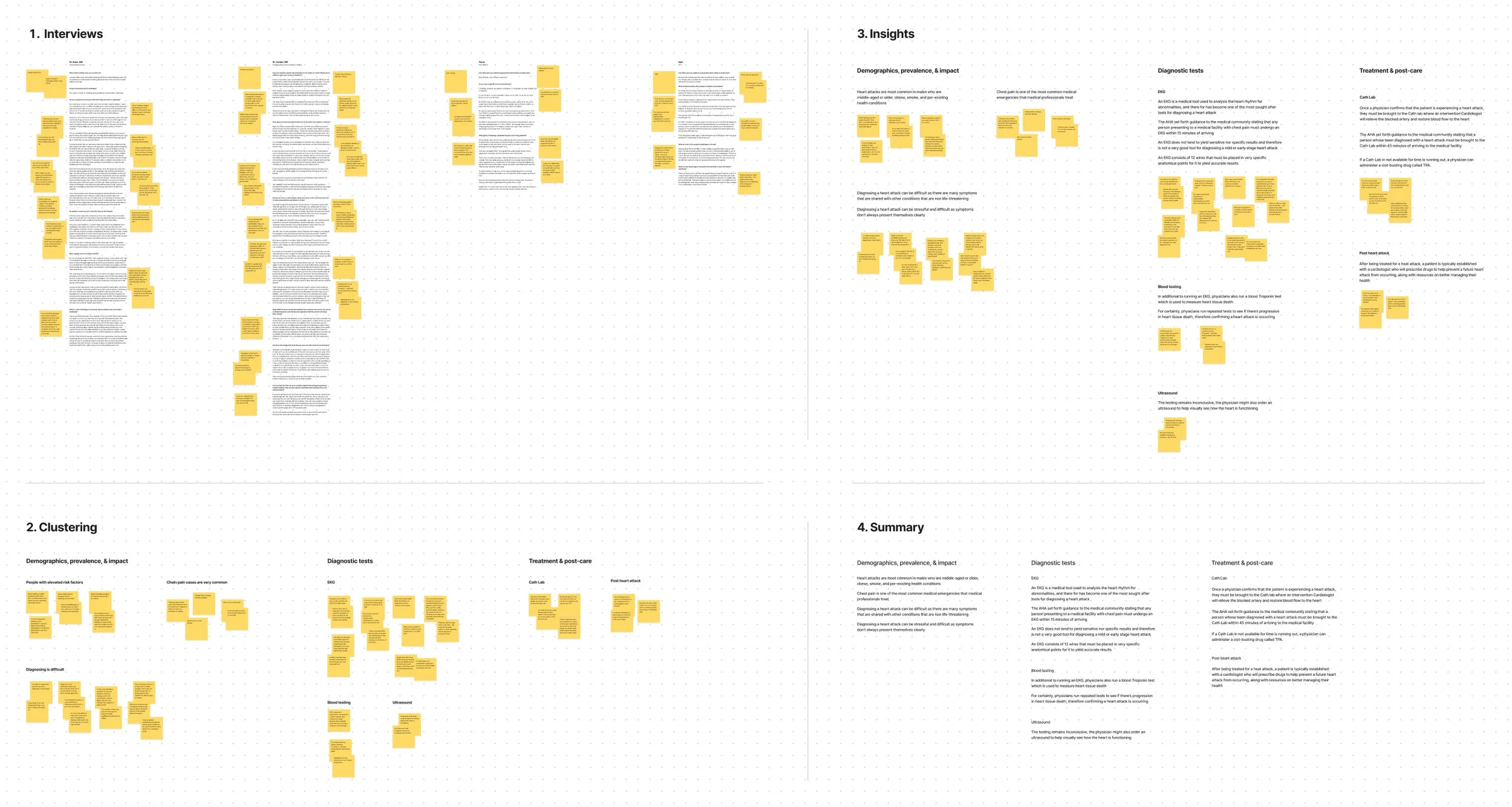
In these interviews I asked a slew of questions to better understand their process of treating patient’s with symptoms of a heart attack. As I got a basic grasp of their process, I asked follow-up questions to dig deeper into their process, the tools they have at their disposal, and the treatments they administer to their patients. From here, I took note of key points, clustered those points, and then summarized my findings.
Key insight
Two tests play a crucial role in a physician’s ability to diagnose a heart attack:
Troponin (cTn)
To test for a heart attack, doctors may order a troponin blood test. This test measures the levels of troponin in the blood and can help doctors determine if a patient has had a heart attack or is at risk for one. It's important to note that troponin levels may not be elevated immediately after a heart attack, so multiple tests may be needed to confirm a diagnosis. In some cases, troponin levels may not become elevated until several hours after a heart attack, so it may be necessary to repeat the test at regular intervals to get a complete picture of the patient's condition.
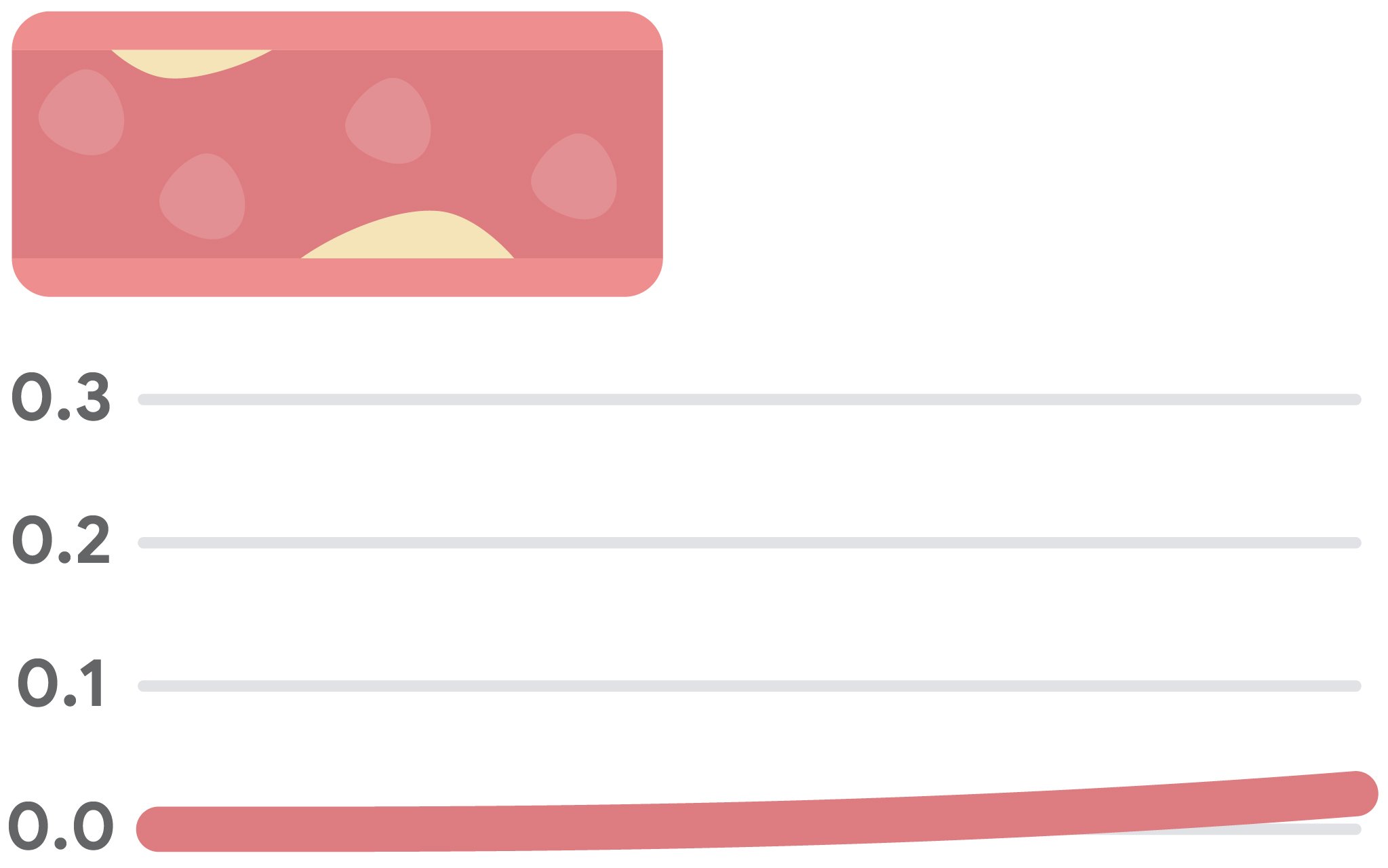
Normal (0 - 0.05 ng/mL)
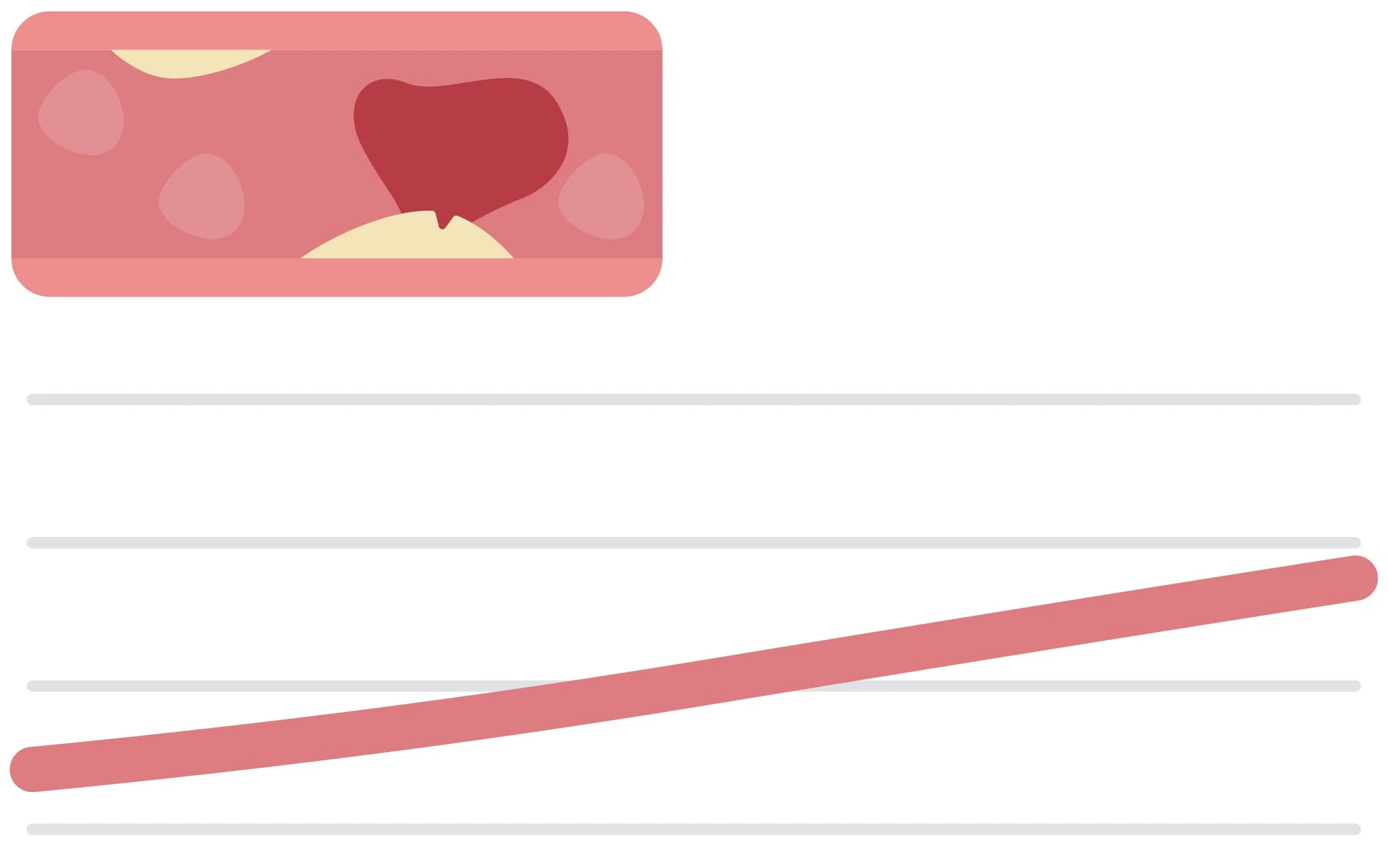
Elevated (0.05 - 2 ng/mL)
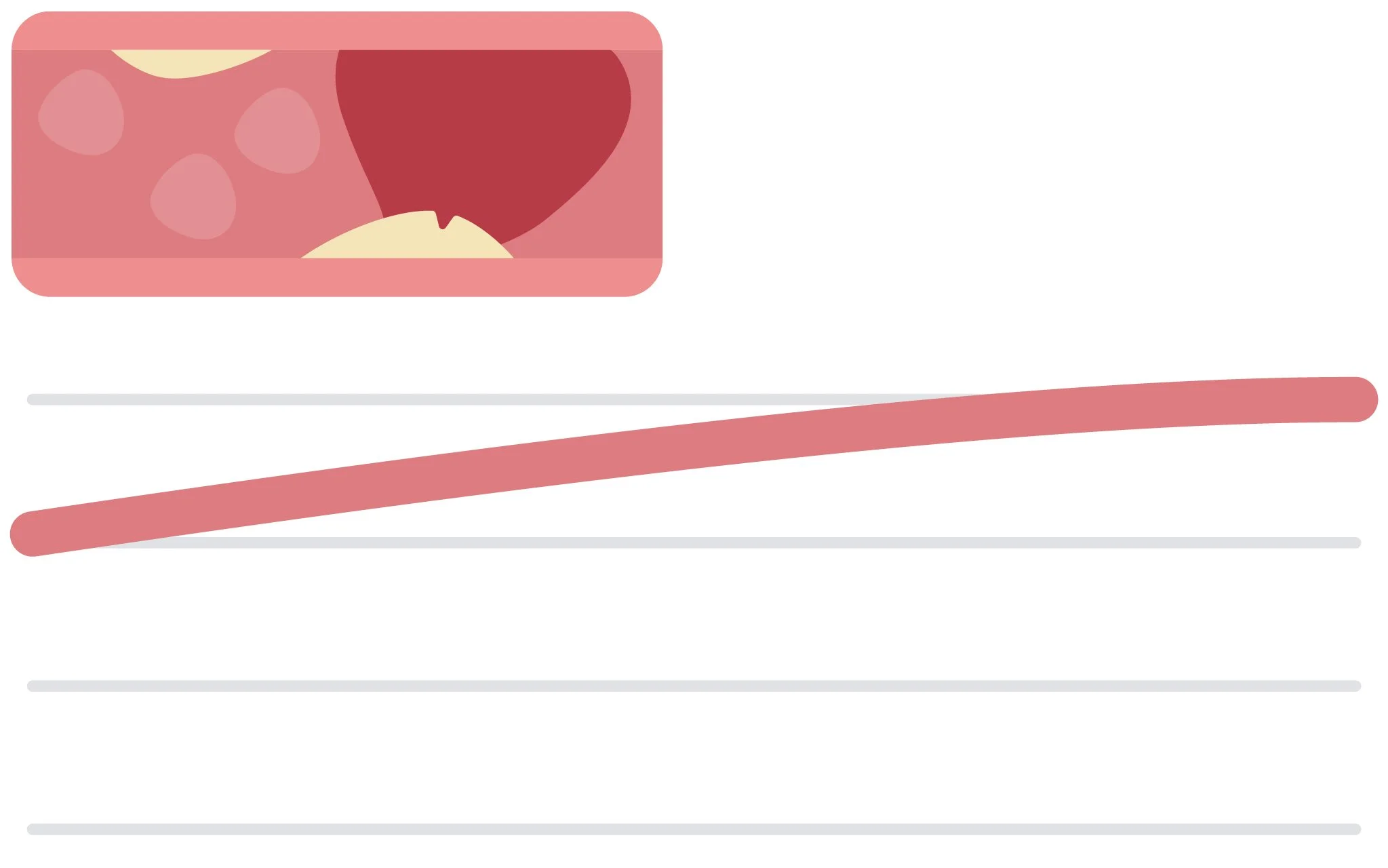
High (2+ ng/mL)
Electrocardiography (EKG)
Electrocardiography (EKG) can be used to diagnose a heart attack by detecting changes in the heart's electrical activity that may indicate that part of the heart muscle is not getting enough oxygen-rich blood. During a heart attack, the blood flow to part of the heart is blocked, which can cause damage to the heart muscle. This damage can cause changes in the heart's electrical activity that can be detected by an EKG.
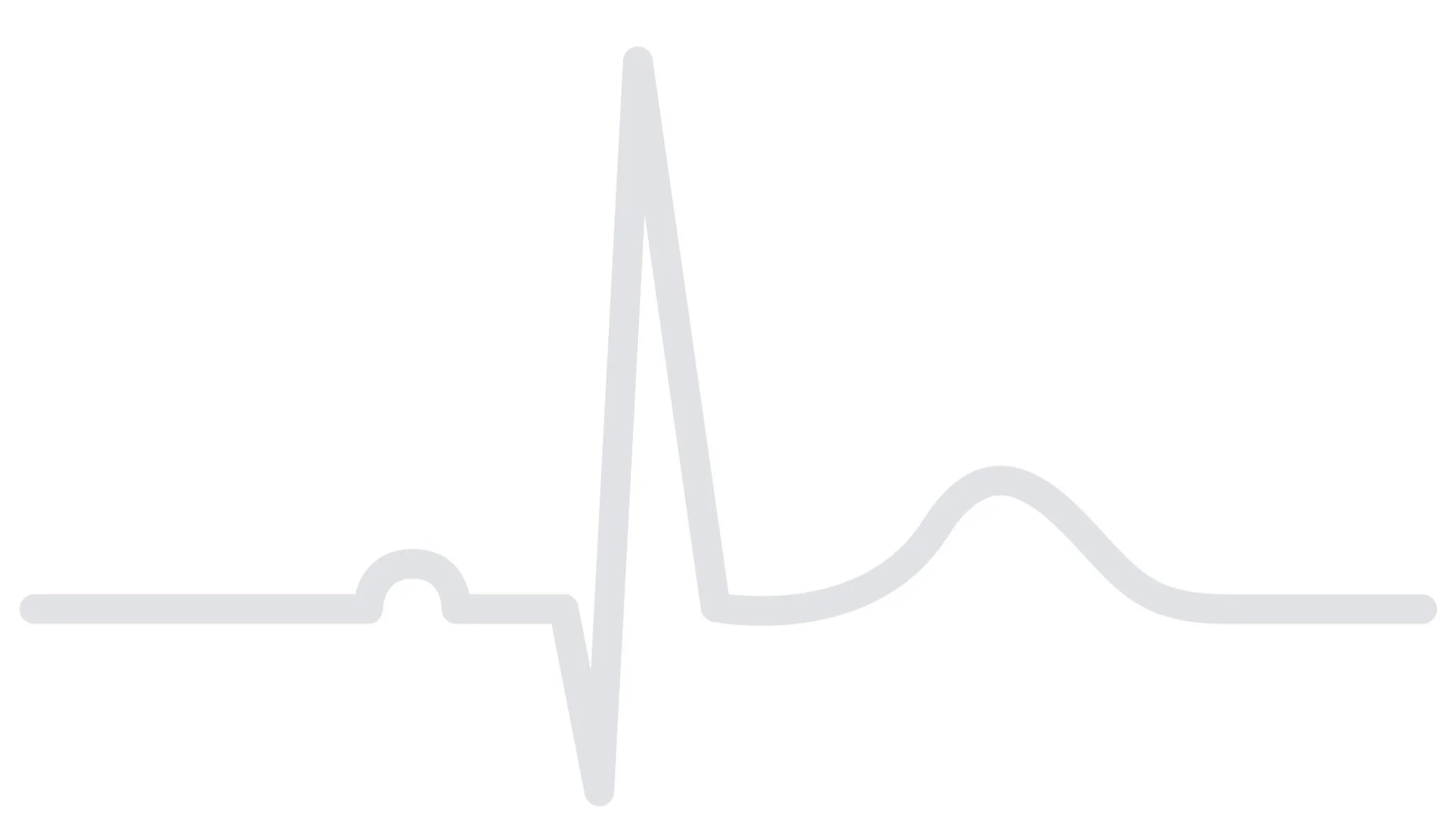
Normal waveform
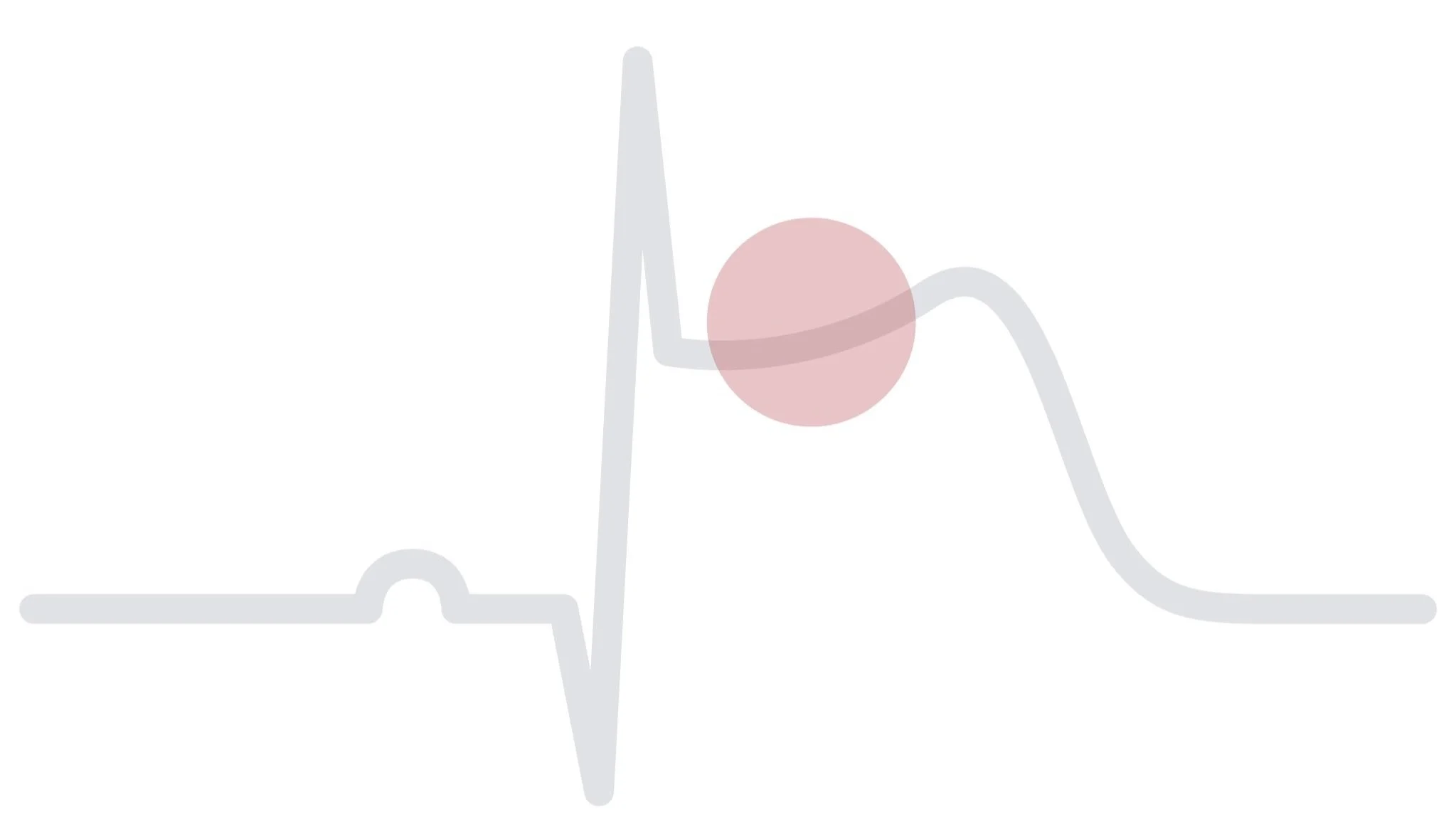
Abnormal waveform
Question
There are incredible technologies to diagnose and treat heart attacks, but is there a means to catch one before it even happens?
Desk research
Minimally invasive testing
Saliva, urine, and blood are all common types of samples that can be collected and analyzed in order to detect the presence of biomarkers. Biomarkers are substances found in the body that can indicate the presence of a particular disease or condition. They can be found in various body fluids, including saliva, urine, and blood. Among these, blood testing is considered to be the most accurate method for measuring the concentration of a specific biomarker. This is because blood tests have a high level of sensitivity and specificity.
Saliva
A saliva sample tends to be the easiest to collect, however, the quality of the sample can vary which and impact the results
Urine
A urine sample is easy to collect and is more accurate then saliva-based testing, however, still isn’t as accurate as blood testing
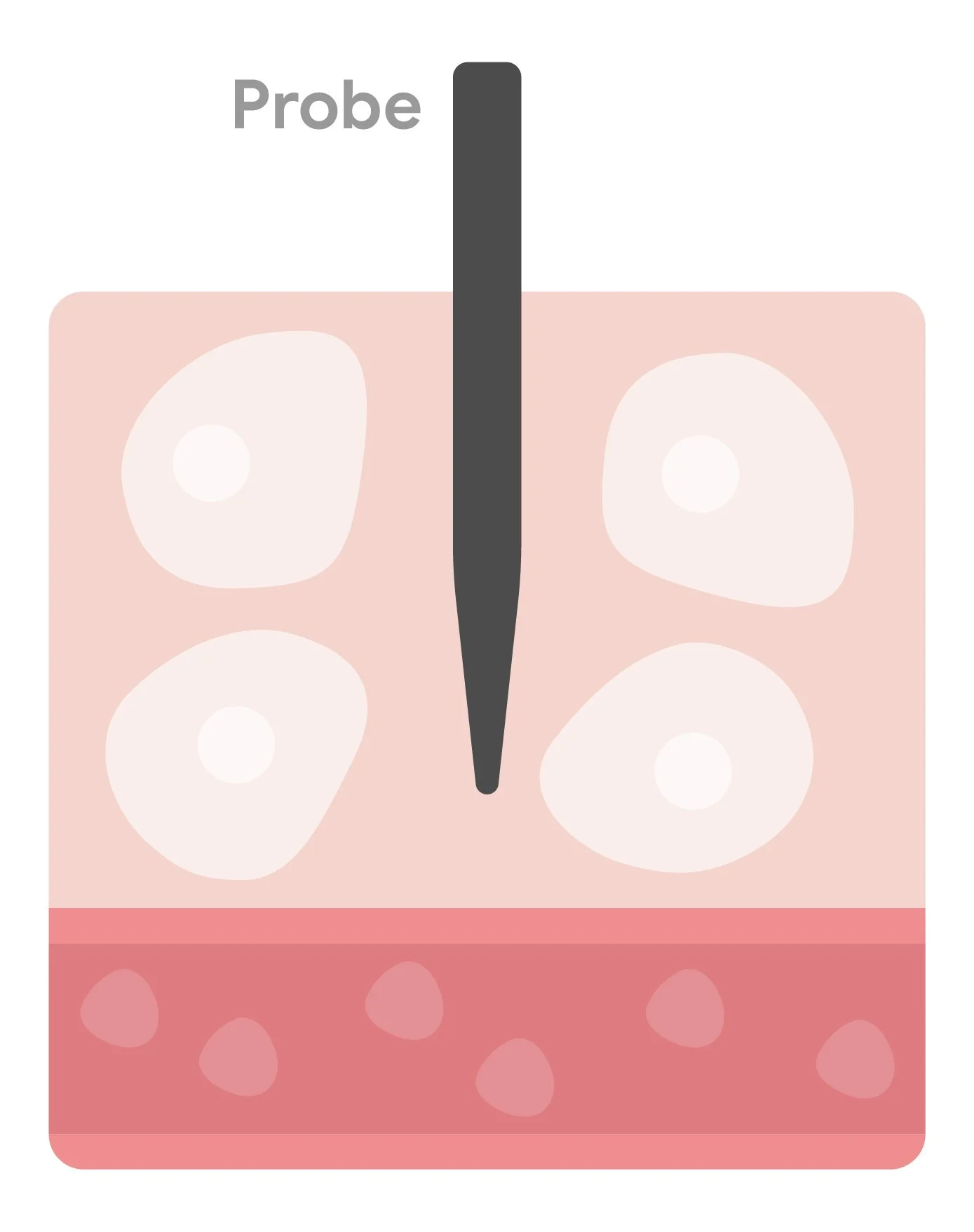
Interstitial fluid (ISF)
ISF is a body fluid found between cells and blood vessels that can be used to monitor biometric levels over a period of time
Desk research
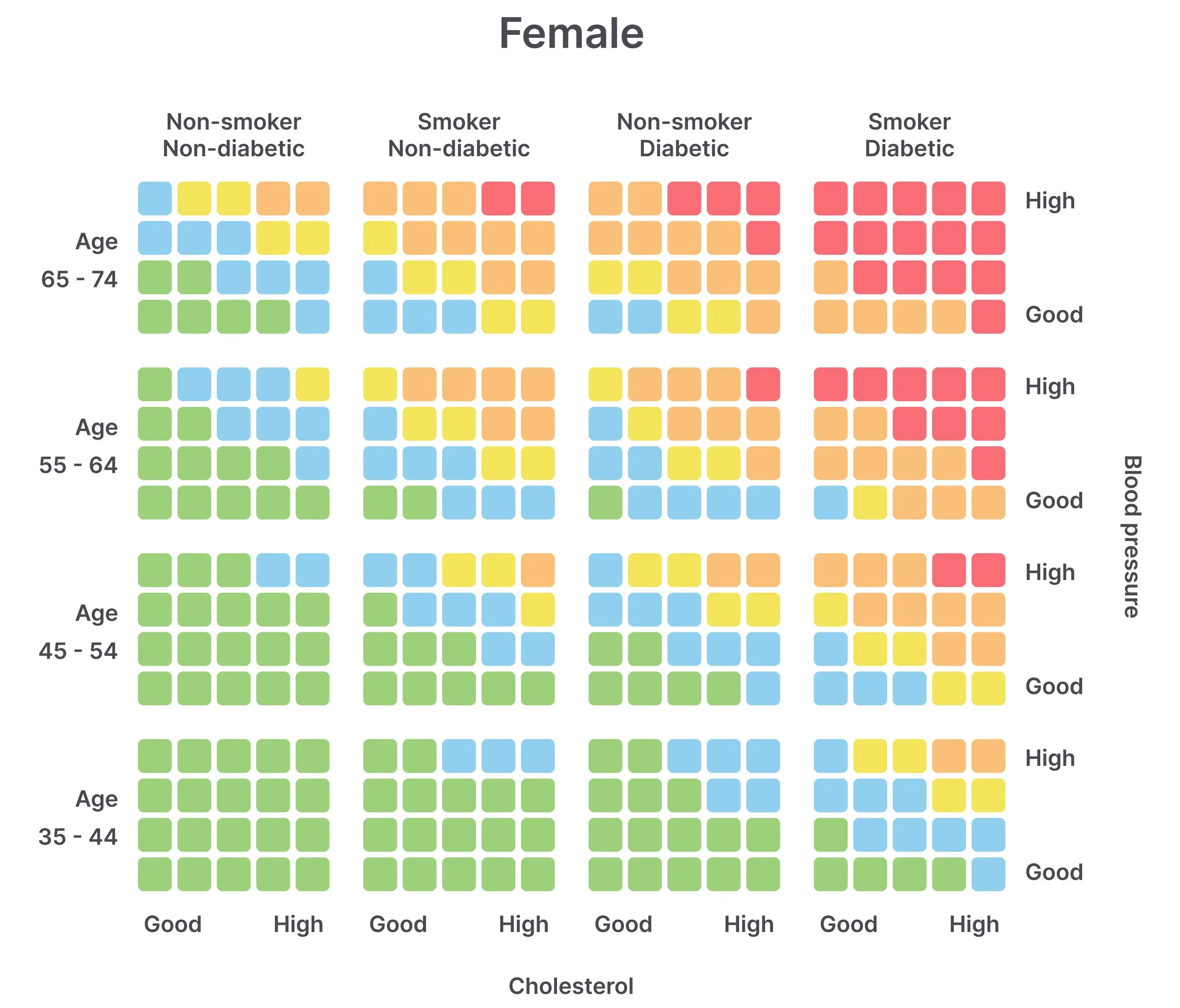
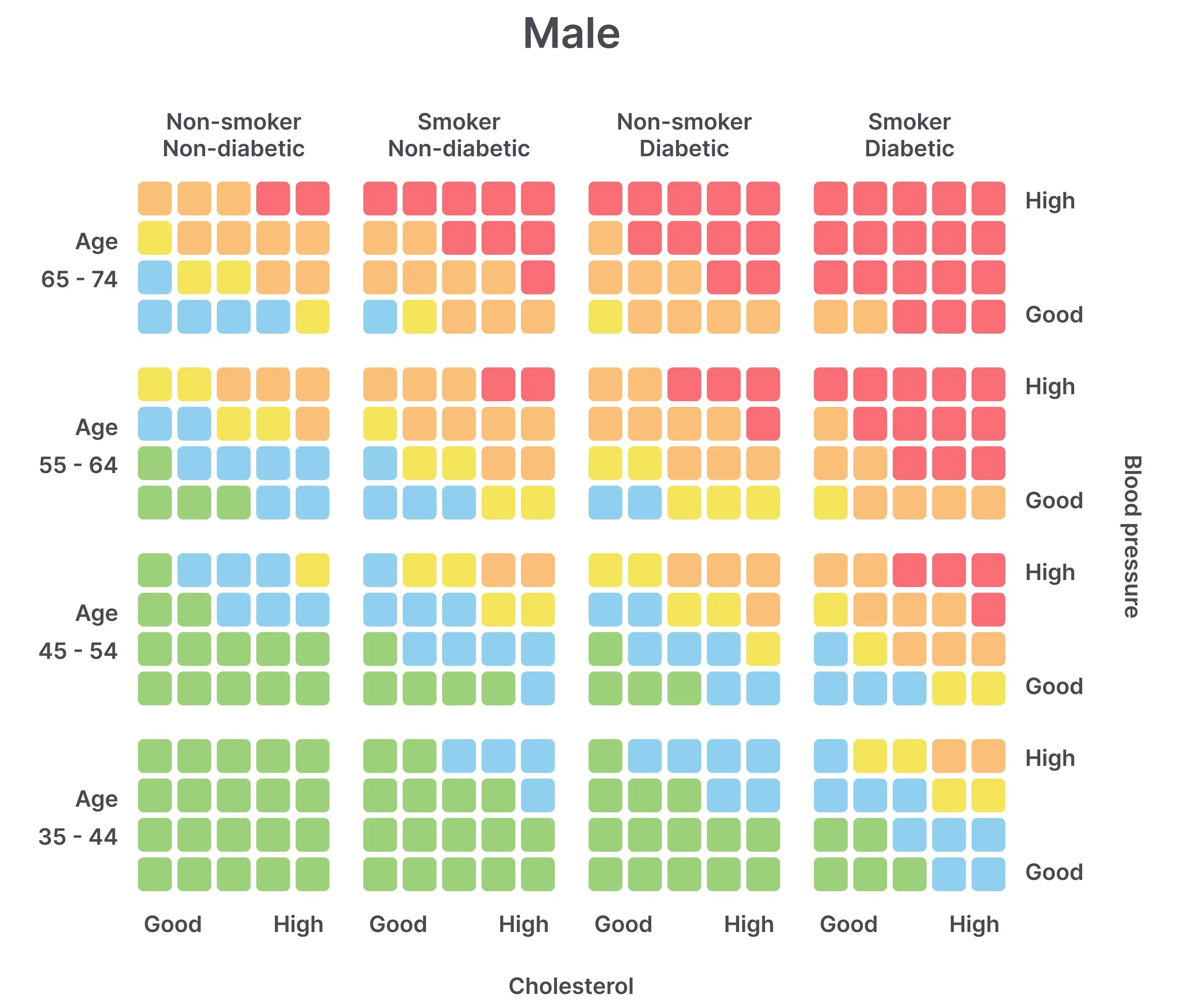
Cardiac risk stratification
These charts take into account various factors such as age, blood pressure, cholesterol levels, and lifestyle habits, and use them to assign a cardiac risk score to an individual. Based on this score, individuals can then determine their risk level and take appropriate steps to reduce their risk of a heart attack. For example, individuals with a high risk score may be advised to make lifestyle changes such as quitting smoking, eating a healthy diet, and exercising regularly, while those with a lower risk score may be advised to maintain their current lifestyle.
Ideation
An exploration of ideas
After conducing a series of informal interviews, running desk research, and synthesizing my outputs, I begin to ideate potential solutions for tackling preventative heart attack deaths. I arrived to 3 key concepts: a wireless ECG, an EMR wristband, and risk management device. After evaluating each concept, I felt most compelled to purse the risk management device given the level of breathe I can take with the project and the theoretical potential would it eventually be realized as a real product.
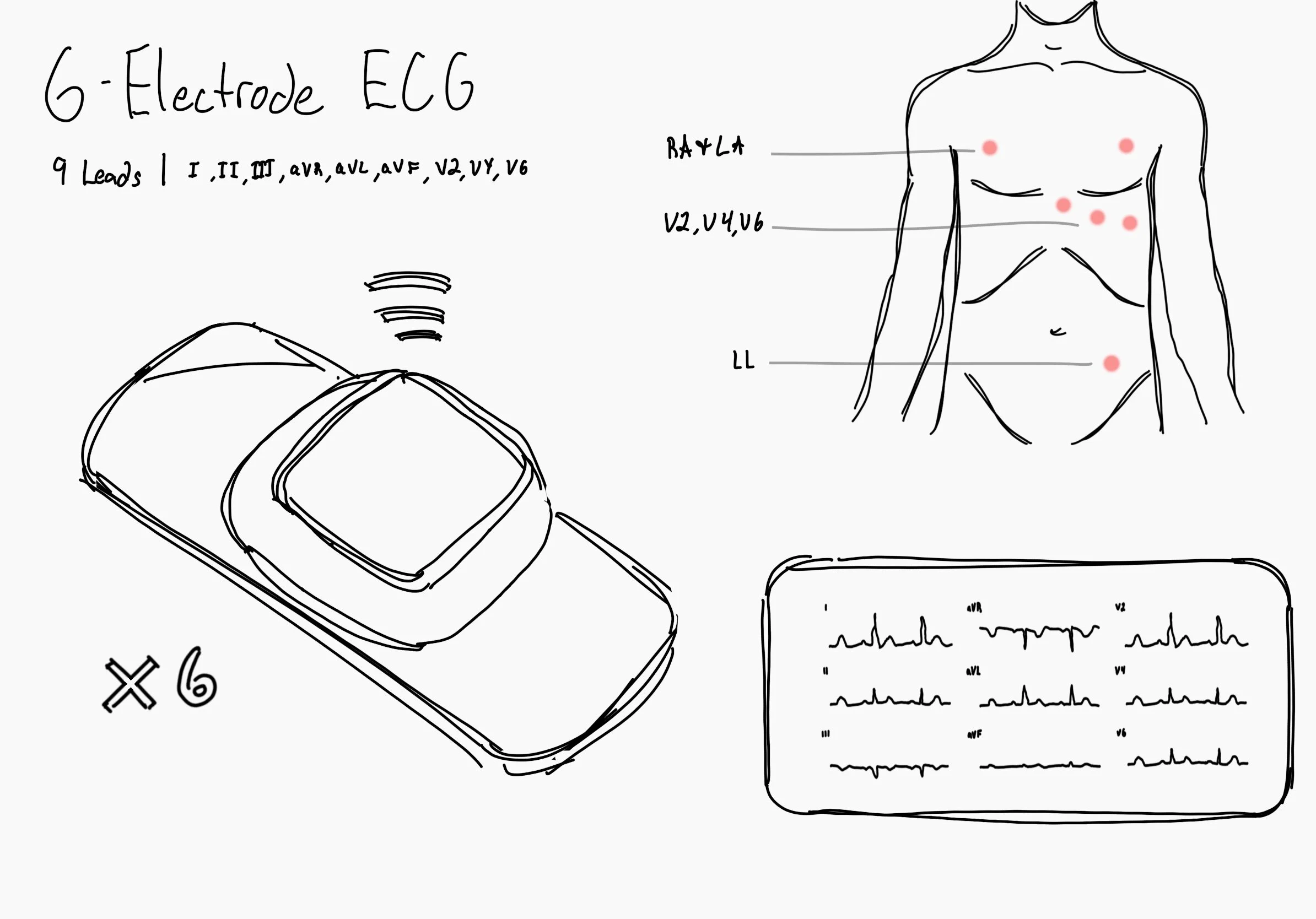
Wireless ECG
Intended to modernize the existing ECG systems used in emergency medicine.
Wireless leads would then transmit data to a smartphone or tablet device where the data would be displayed for the clinician to view and interpret. Results would be digitally saved to a patient’s EMR.
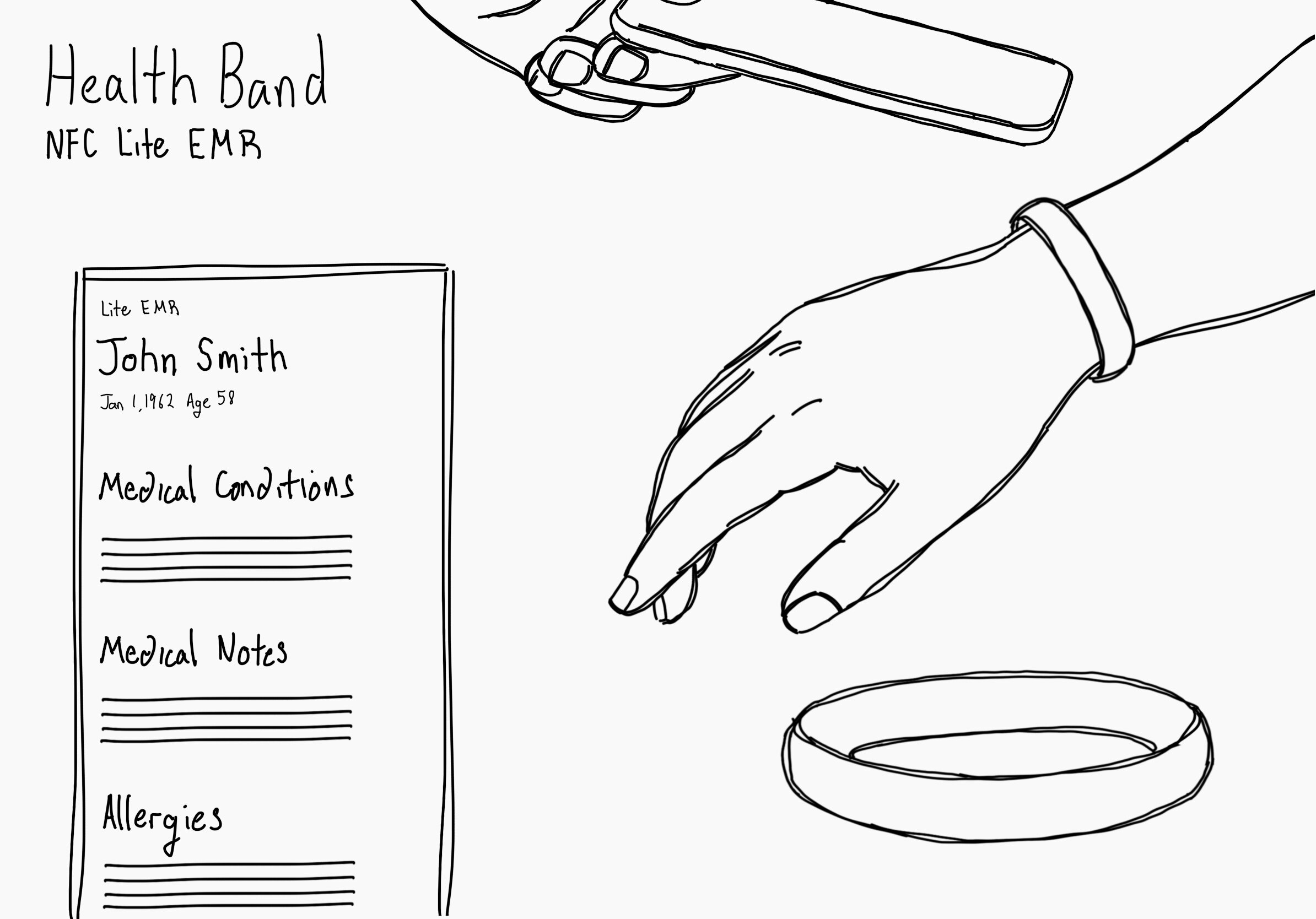
RFID Medical Wristband
Intended for individuals with chronic conditions with the risk of incapacitation.
The wristband would contain an RFID tag that would allow bystanders and or clinicians to scan the tag with smartphone which would redirect to a webpage with basic health information for faster care.
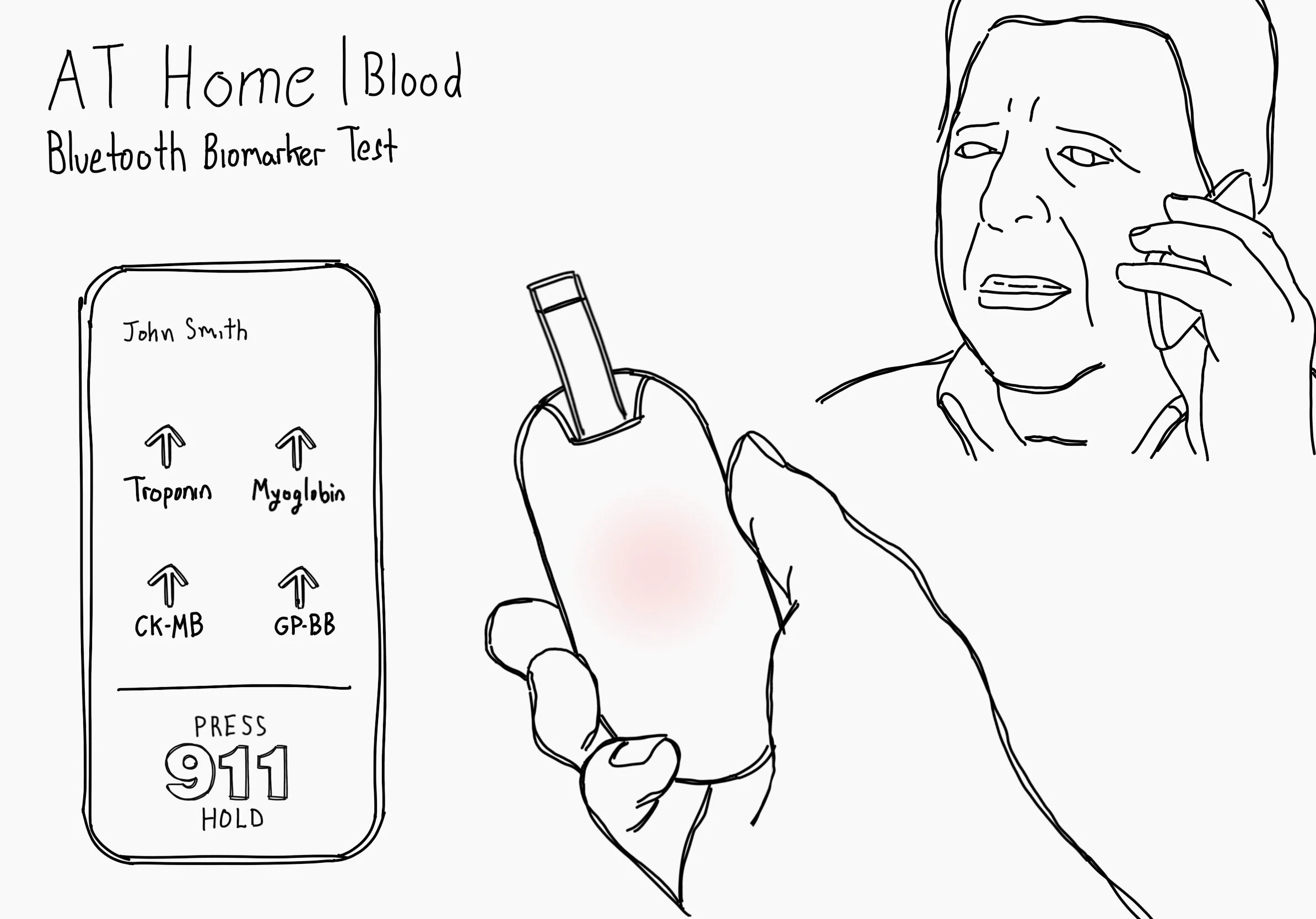
Risk Management Device
Intended to allow an individual to monitor their risk factors for CAD, ACS, or stroke.
The system would pair with a smartphone device where the user can view their current biometric levels and be alerted to abnormalities. Note that the device would be firmly marketed as a risk management tool.
Direction
To develop a mobile app accompanied by a biometric monitoring device intended to monitor key cardiac biomarkers in the body
Design iteration
Define. Ideate. Refine. Repeat.
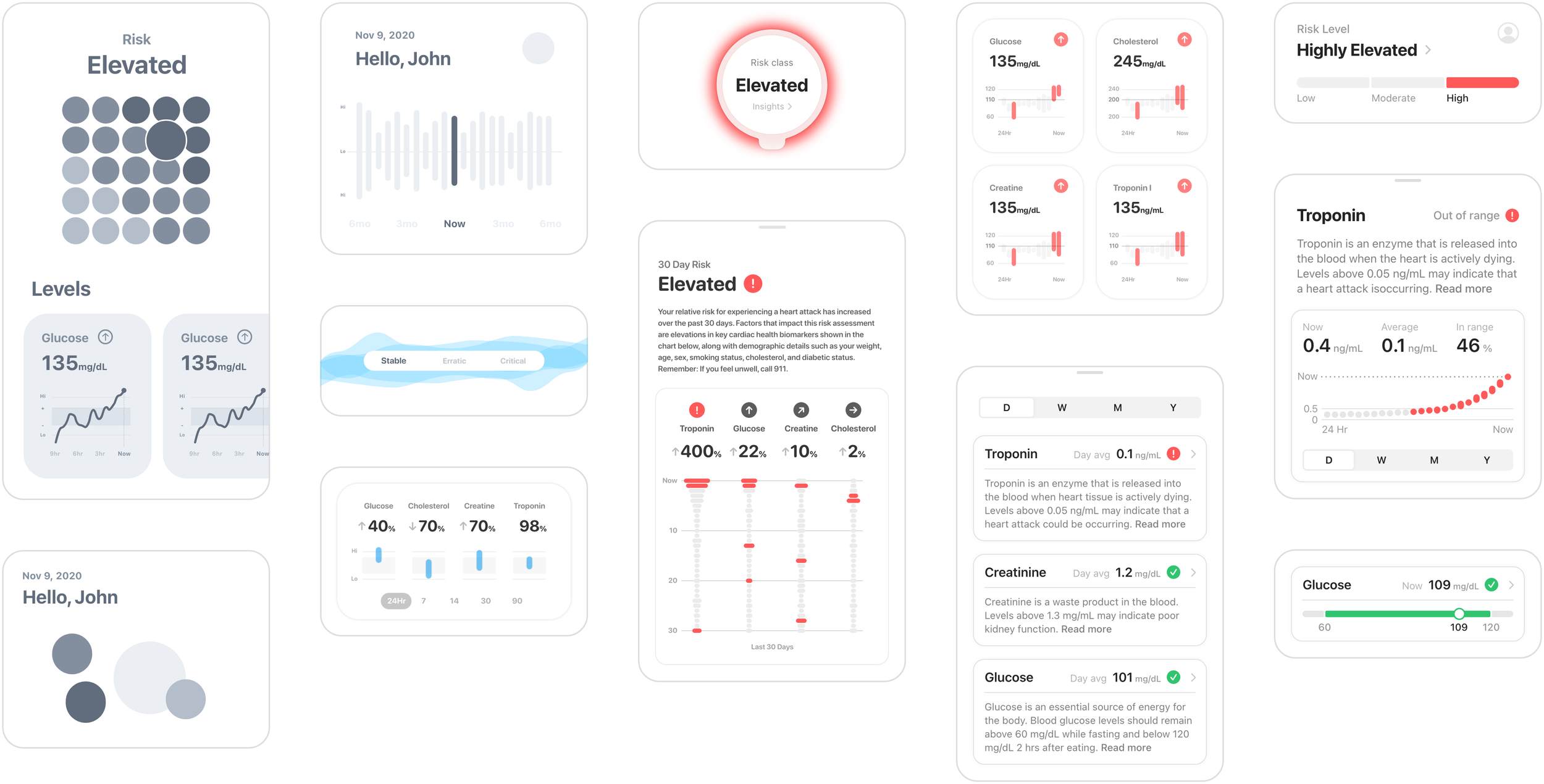
When developing a risk management device, I knew there were several key features I wanted the app to include: One, a snapshot of the user’s current aggregate risk for suffering a heart attack; Two, provide the user a live and long-term view of how there key cardiac health biomarkers are tracking; and Three, a means to educate a user on how levels out-of-range can impact one’s short and long-term risk for suffering a heart attack. Collectively, these features would provide the user valuable and potentially life-saving insights on there current and long-term cardiac health.
Physical monitor
Simple and discrete
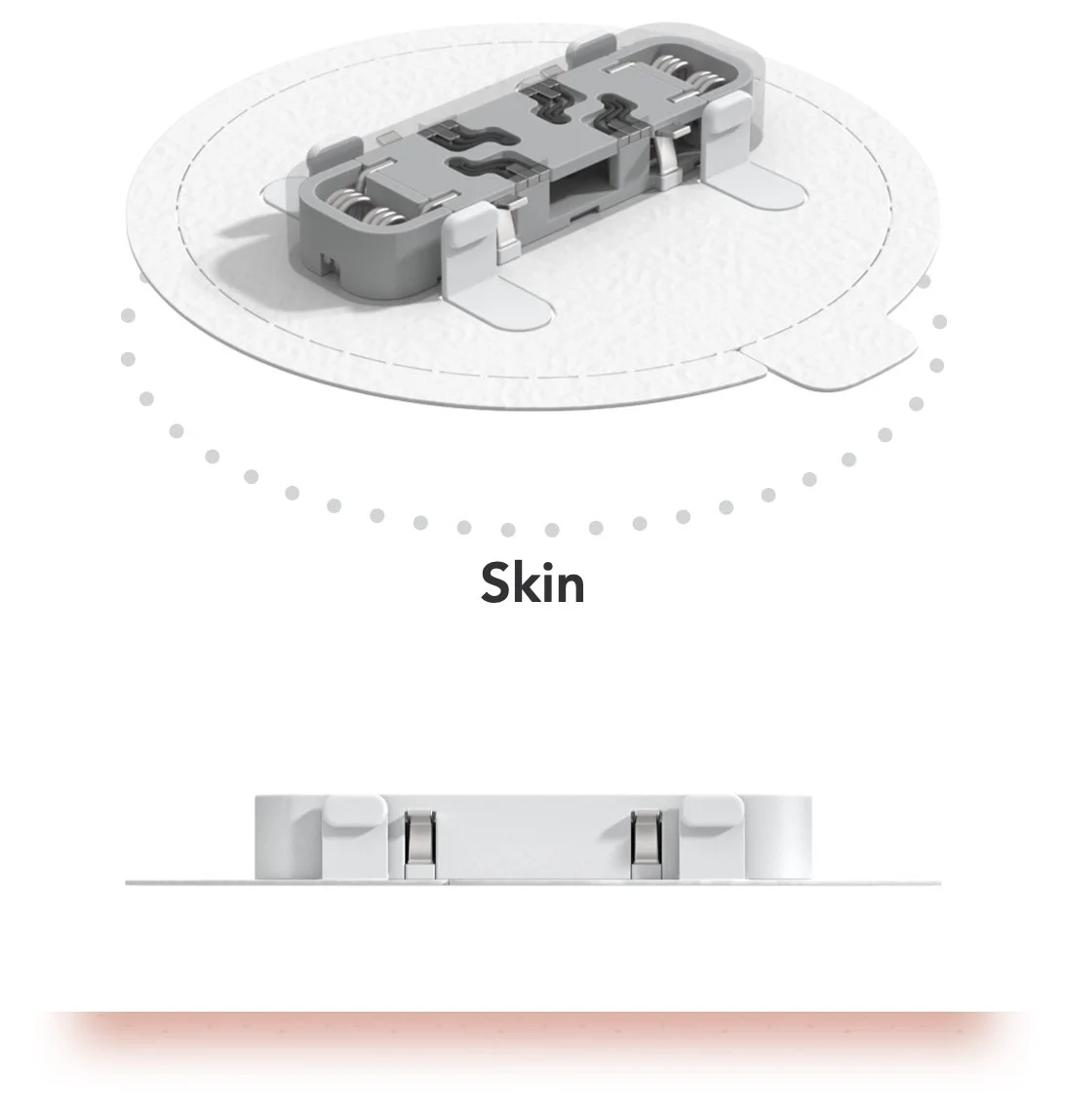
Step 1
Apply the adhesive assembly over an open surface of the skin
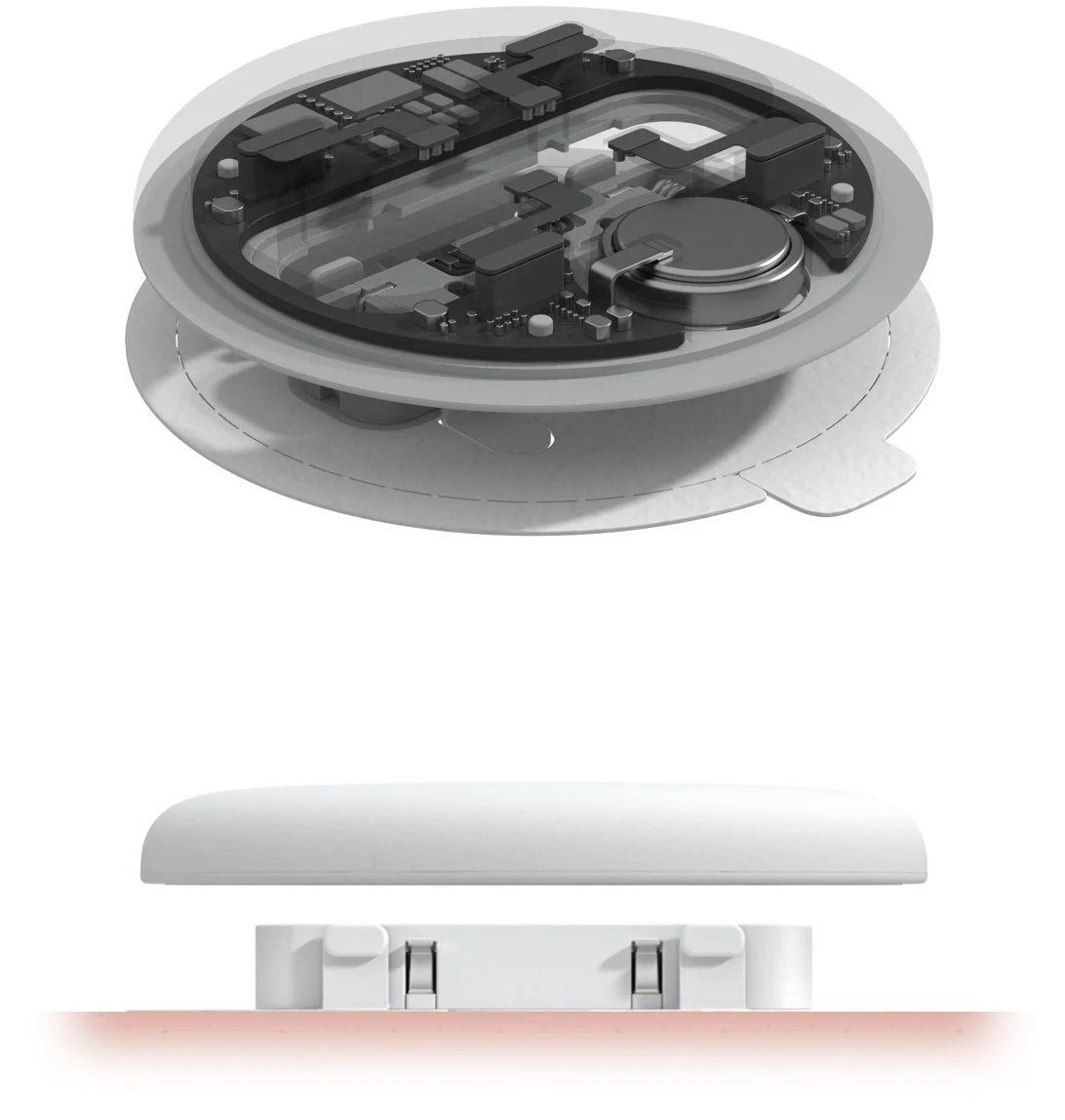
Step 2
Retrieve the silicone receive and align it over the adhesive assembly
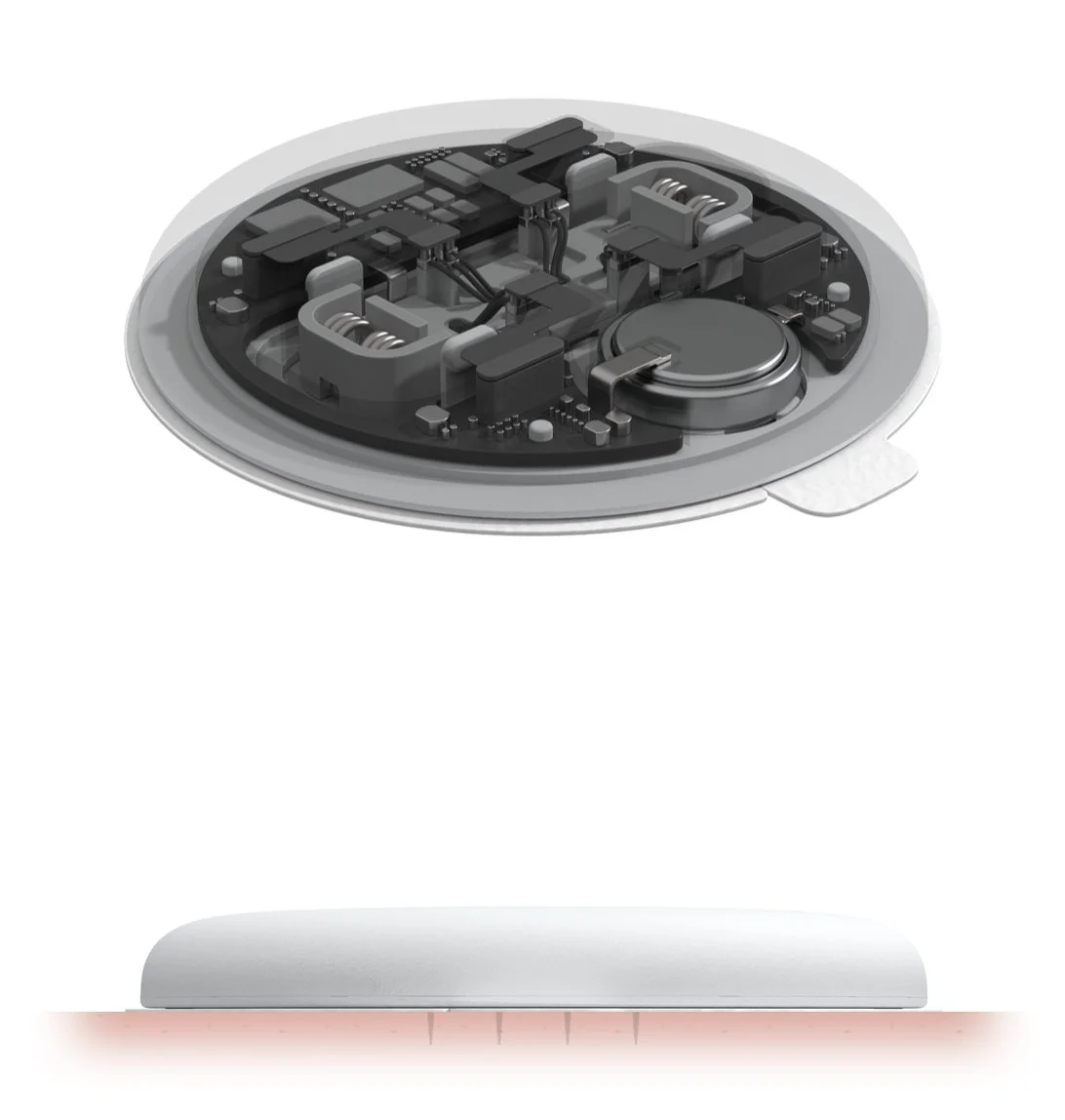
Step 3
Press receive in firmly to actuate the probe insertion mechanism
Mobile app
A glimpse into one’s cardiac health
The Cardium app is a powerful tool that helps users monitor cardiac health. By leveraging big data, the app generates a cardiac health risk score that provides users with valuable insights into their current and long-term cardiac health. In addition to the risk score, the app also provides users with detailed information on key cardiac biomarkers that closely correspond with real and long-term cardiac health. With this information, users can take steps to improve their health and reduce their risk of suffering a heart attack.
Conclusion
There’s much potential for risk mitigation
As I reflect on this case-study, I see a world of possibility for risk mitigation. In this application, I specifically explored a means for an at risk individual to better monitor their short and long-term cardiac health. What if we take this a step further and aggregate patient biometric data and use it to train an AI to better detect risks for heart disease? What if we designed a more user-centric application that focuses more on risk diversion? Regardless of what route we take, our underlying goal should remain the same — to reduce the number of individuals who suffer from heart attacks.