
Pure Face Mask
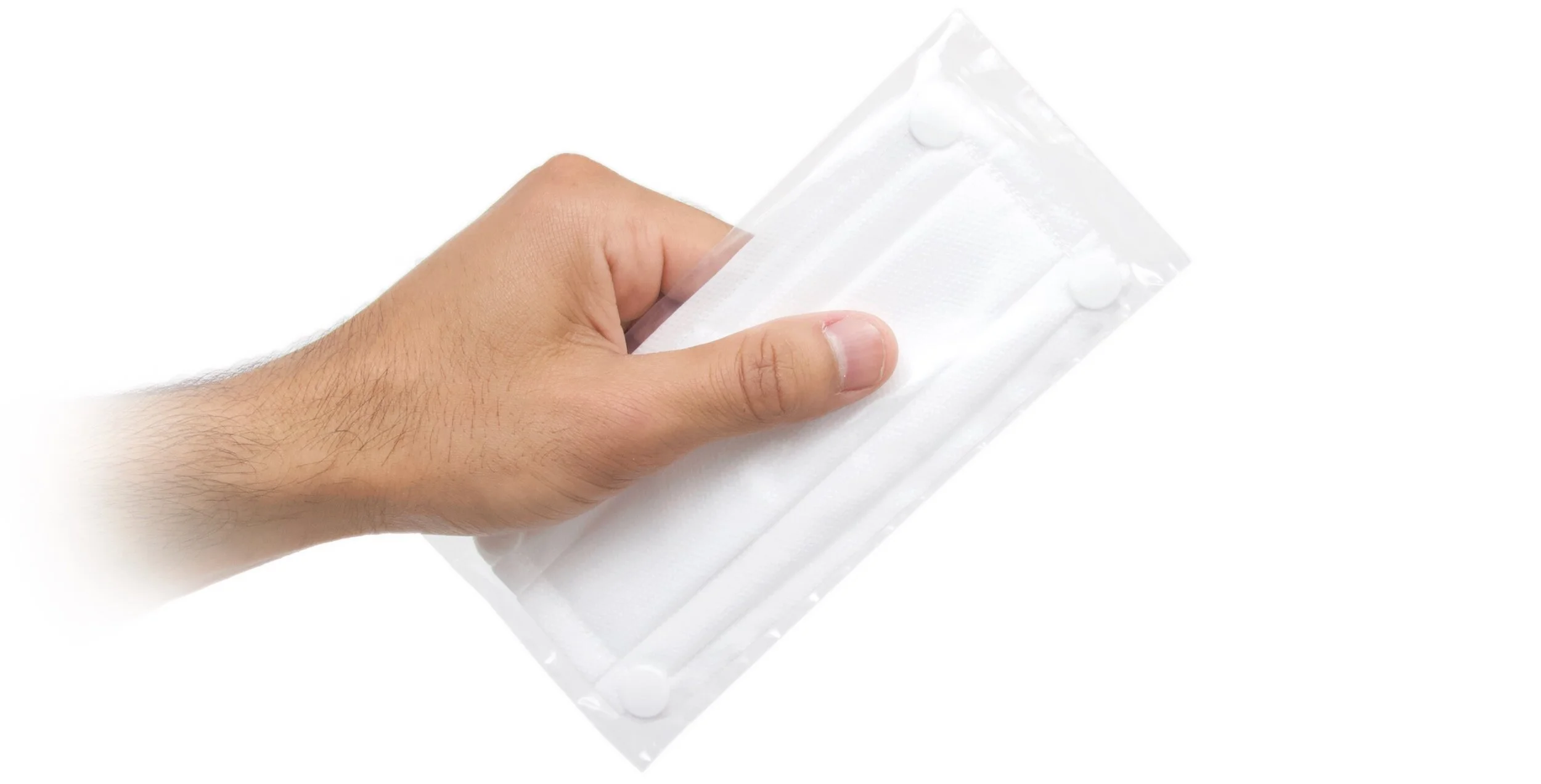
A HEPA face mask developed during the early days of the pandemic to support workers in the wake of a shortage of lifesaving PPE.
Project
4 weeks, individual
Role
Discovery research
Physical prototyping
Distribution
Software
Adobe Illustrator
Miro
Problem
A lack of PPE for frontline workers
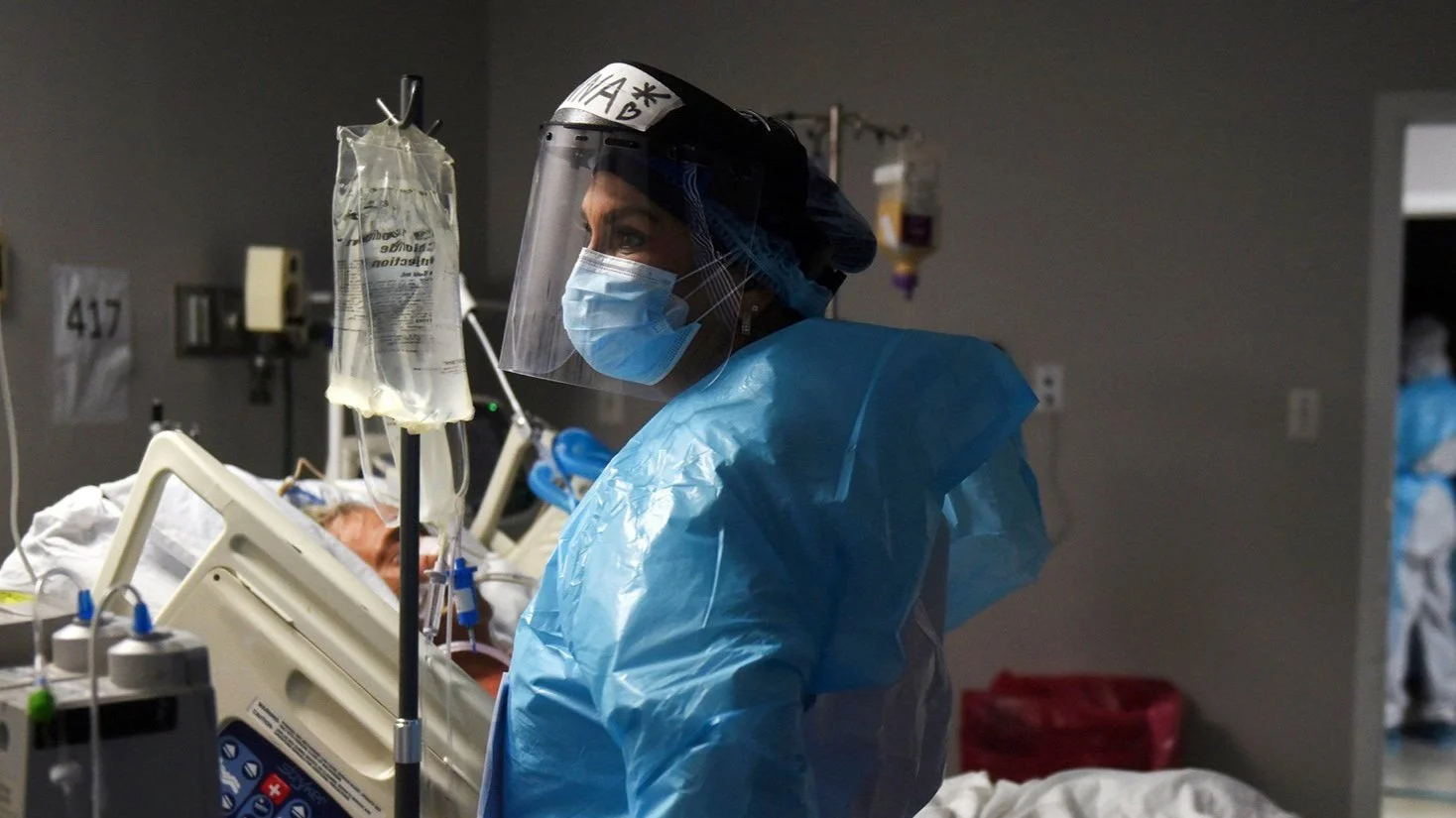
At the onset of the COVID-19 pandemic in early 2020, there was a severe shortage of personal protective equipment (PPE) across the globe. The sudden surge in demand for PPE by healthcare workers and the general public created a supply chain crisis, causing many countries to face critical shortages of masks, gloves, gowns, and other essential PPE. This situation led to healthcare workers being forced to reuse PPE, which significantly increased their risk of contracting COVID.
Discovery research
Conversations with frontline healthcare workers from across the US
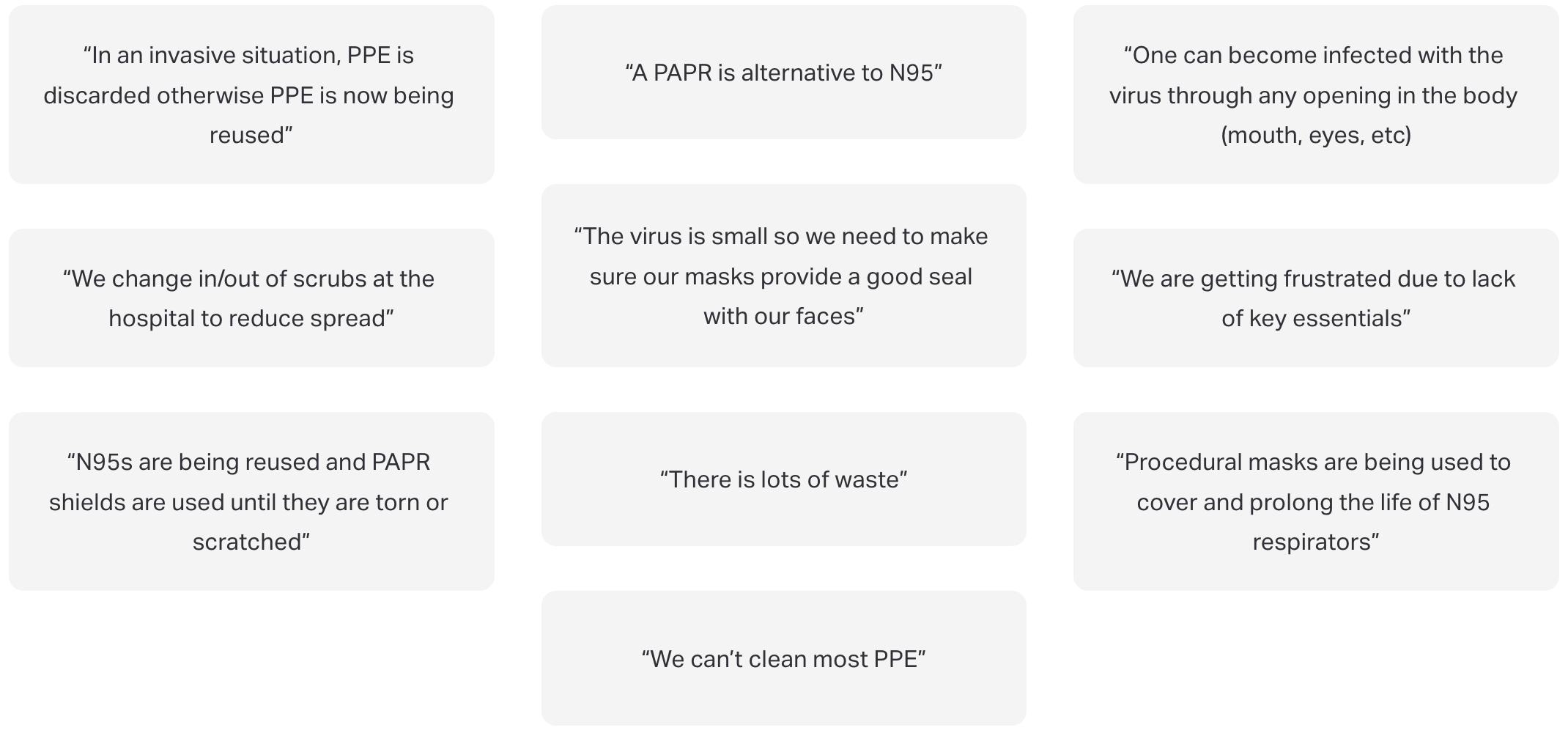
To begin this effort, I wanted to first get a better picture of where frontline healthcare workers stand. The best way to do that was by conducting qualitative sessions with clinicians from across the US. In my conversations, I asked several questions ranging from level-setting on the state of their workplace to discussing the changelles they are currently facing.
How can we
address the immediate need of frontline healthcare workers with effective PPE?
Desk research
Seeking effective filtration media
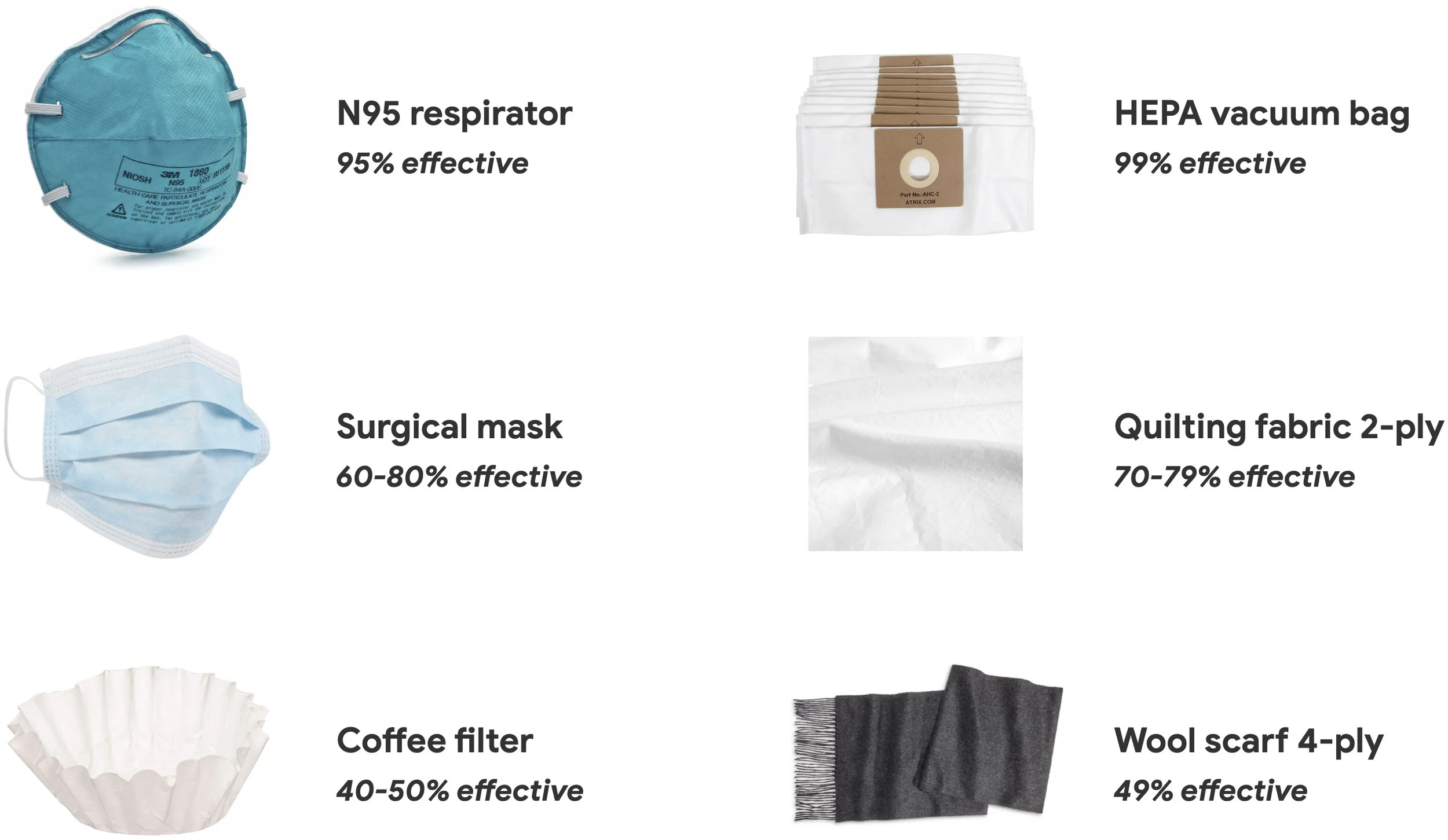
After conducting a series of conversational sessions and summarizing my findings, I found that what frontline healthcare workers needed most was effective respiratory protective equipment. I quickly discovered that not not any filtering media would do. COVID-19 particles are extremely small and can penetrate most fabrics. What I needed was to find a media similar to what is used in N95 masks.
Material of choice
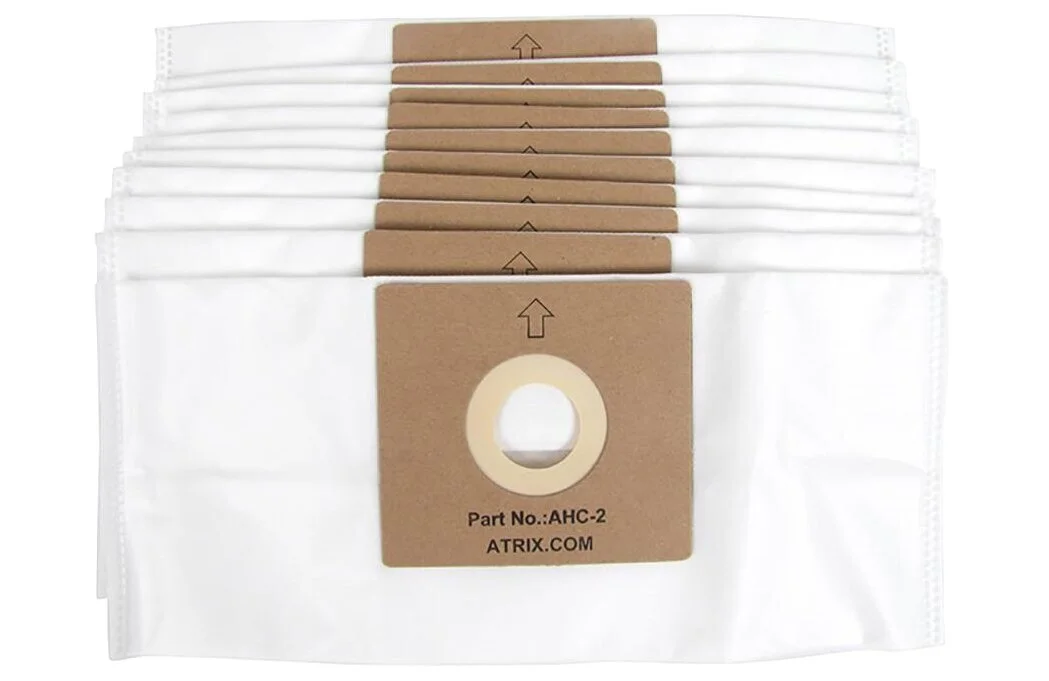
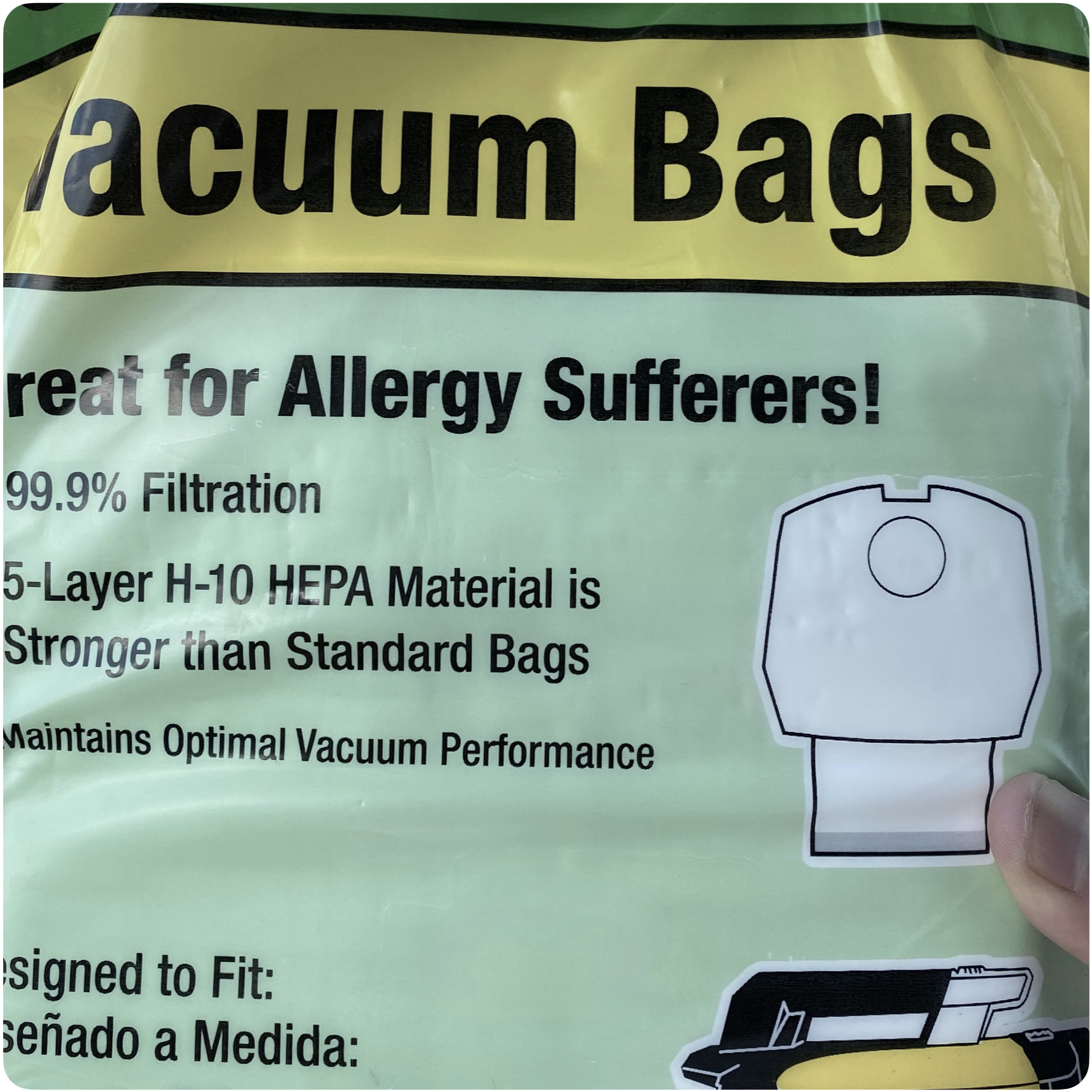
A HEPA vacuum bag
After conducting desk research on selecting effective filtration media for respiratory protective equipment, I discovered that HEPA vacuum bags provided a near identical level of filtration quality as a standard N95 mask. The reason is simple: both are composed of nearly identical materials and manufactured through nearly identical processes. The material is question here is non-woven, electrically charged media. This media is special for it’s ability to capture extremely small particles without infringing airflow.
Physical prototyping
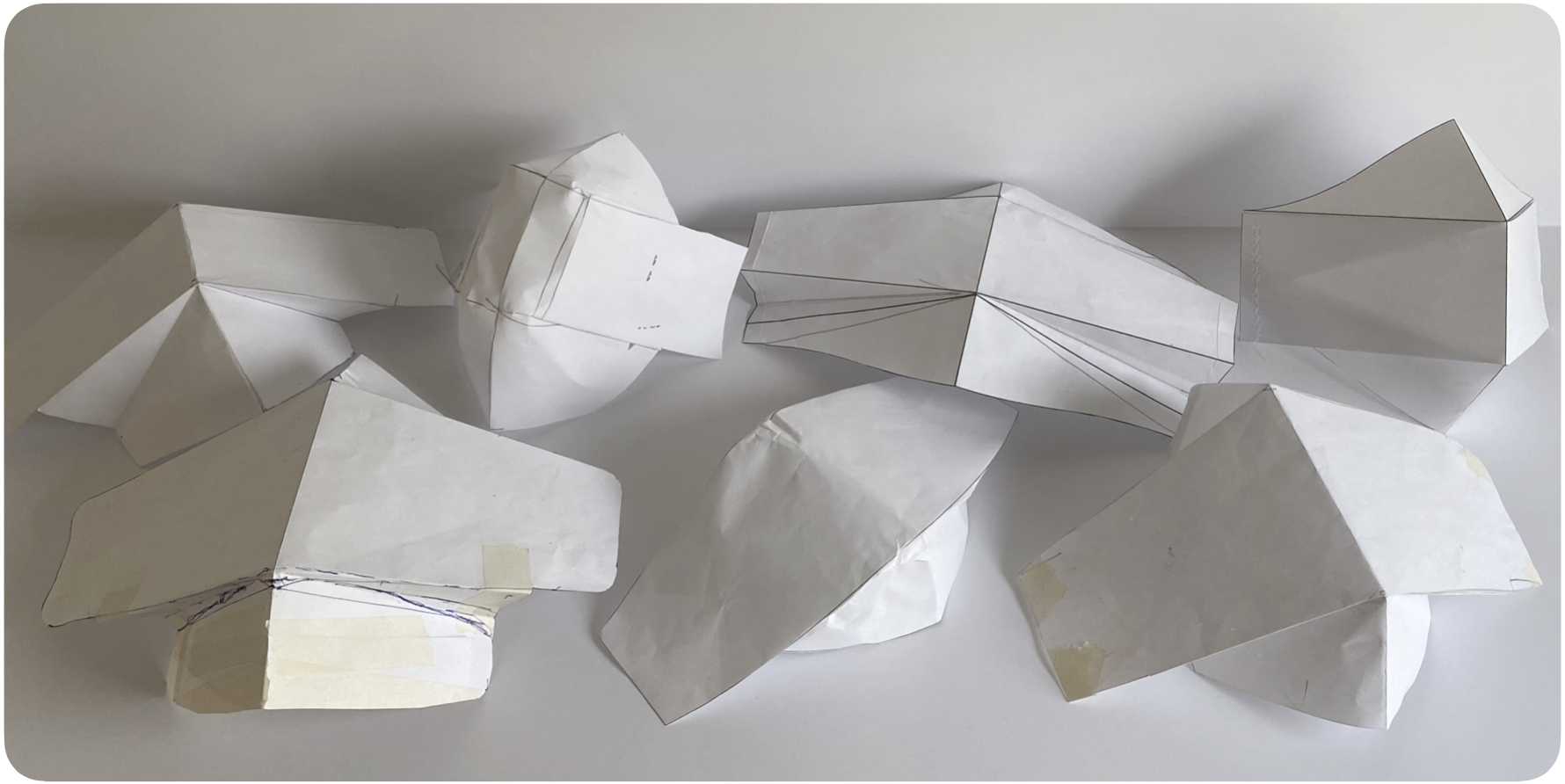
Prototype. Test. Refine. Iterate.
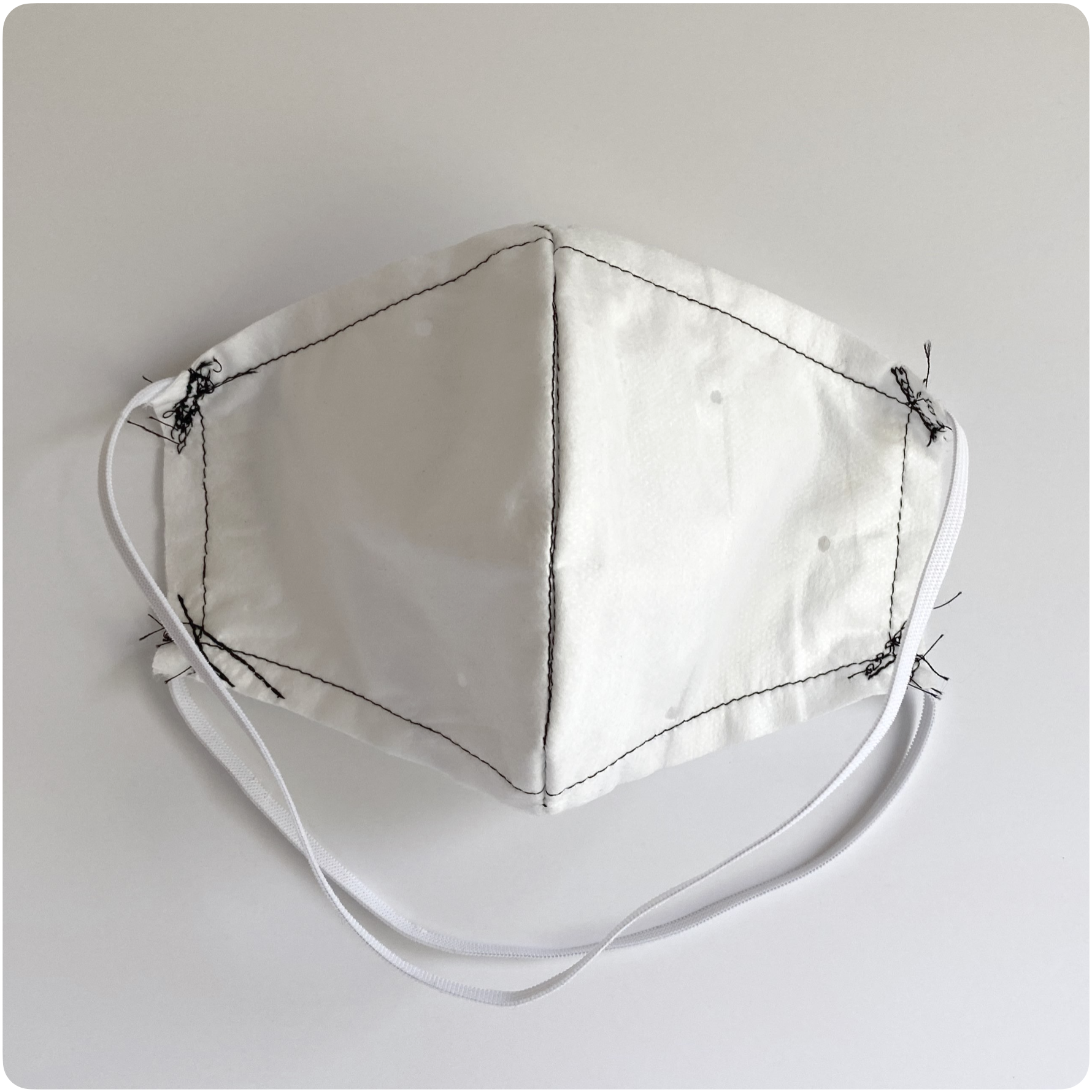
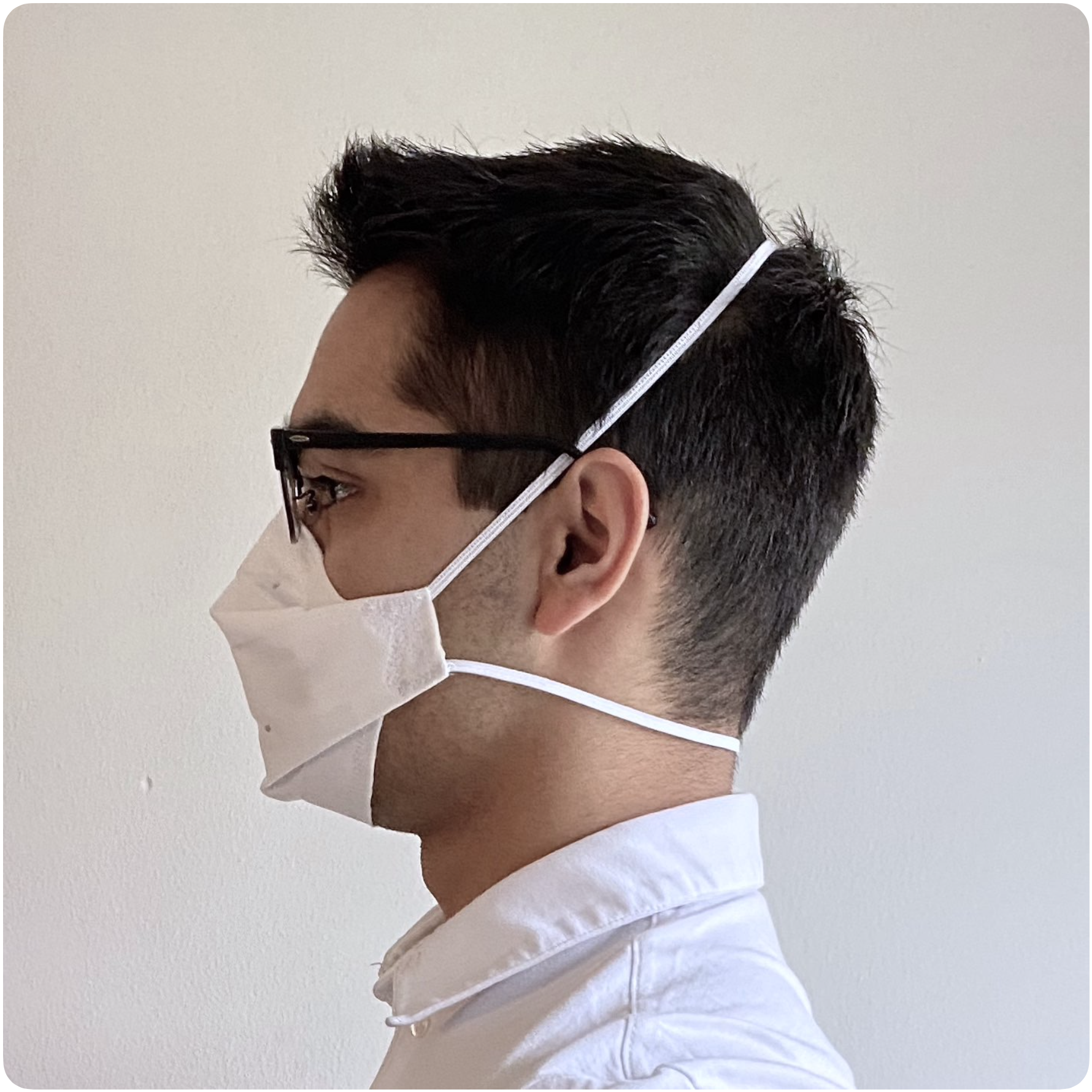
When developing an face mask, there were several qualifications the mask had to have to be deemed effective: One, the fit. The mask had to hug the wearer’s face fully without any wiggle room for air to pass through the sides. Two, the comfort. The mask had to be comfortable to wear for extended periods of time without causing excessive pain for the wearer.
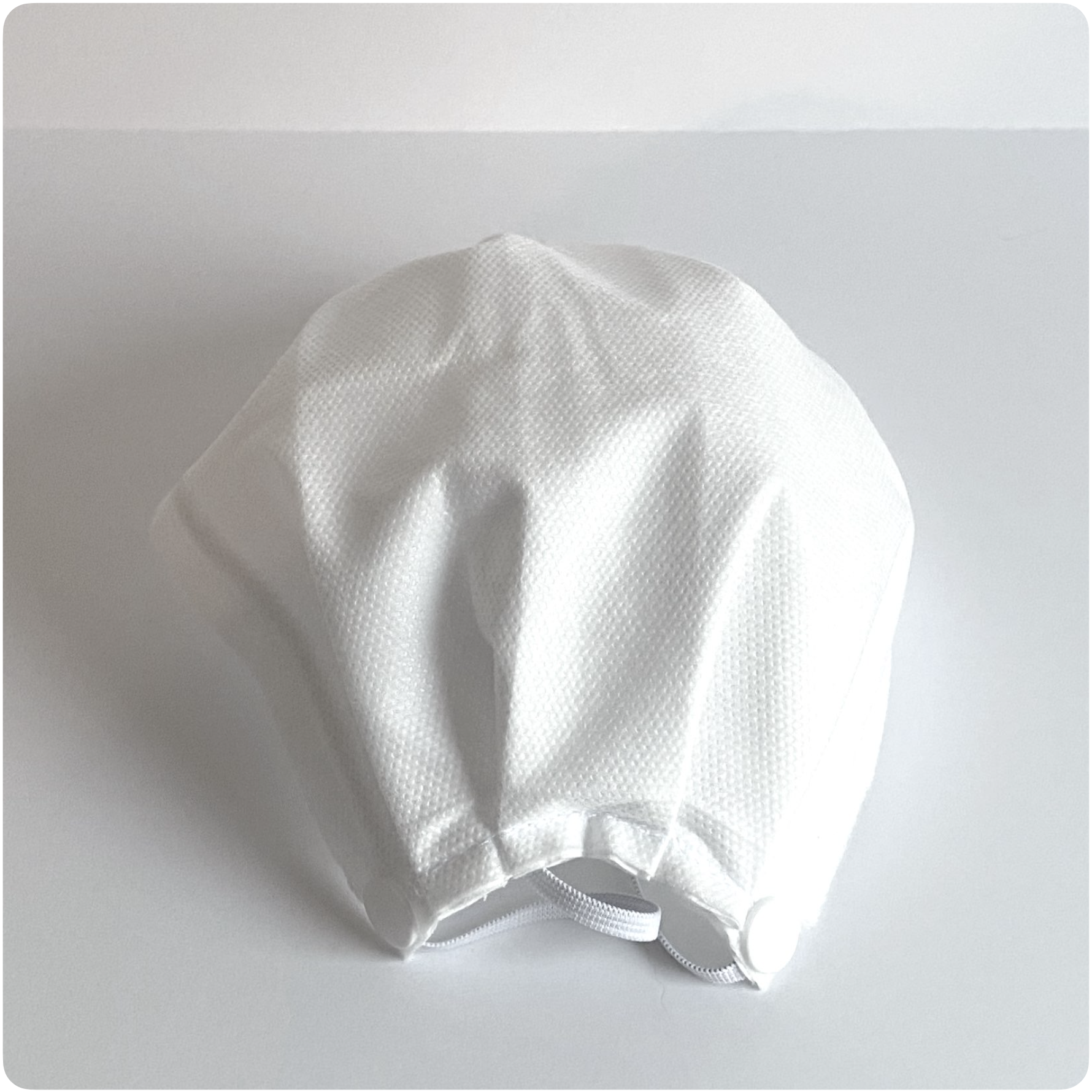
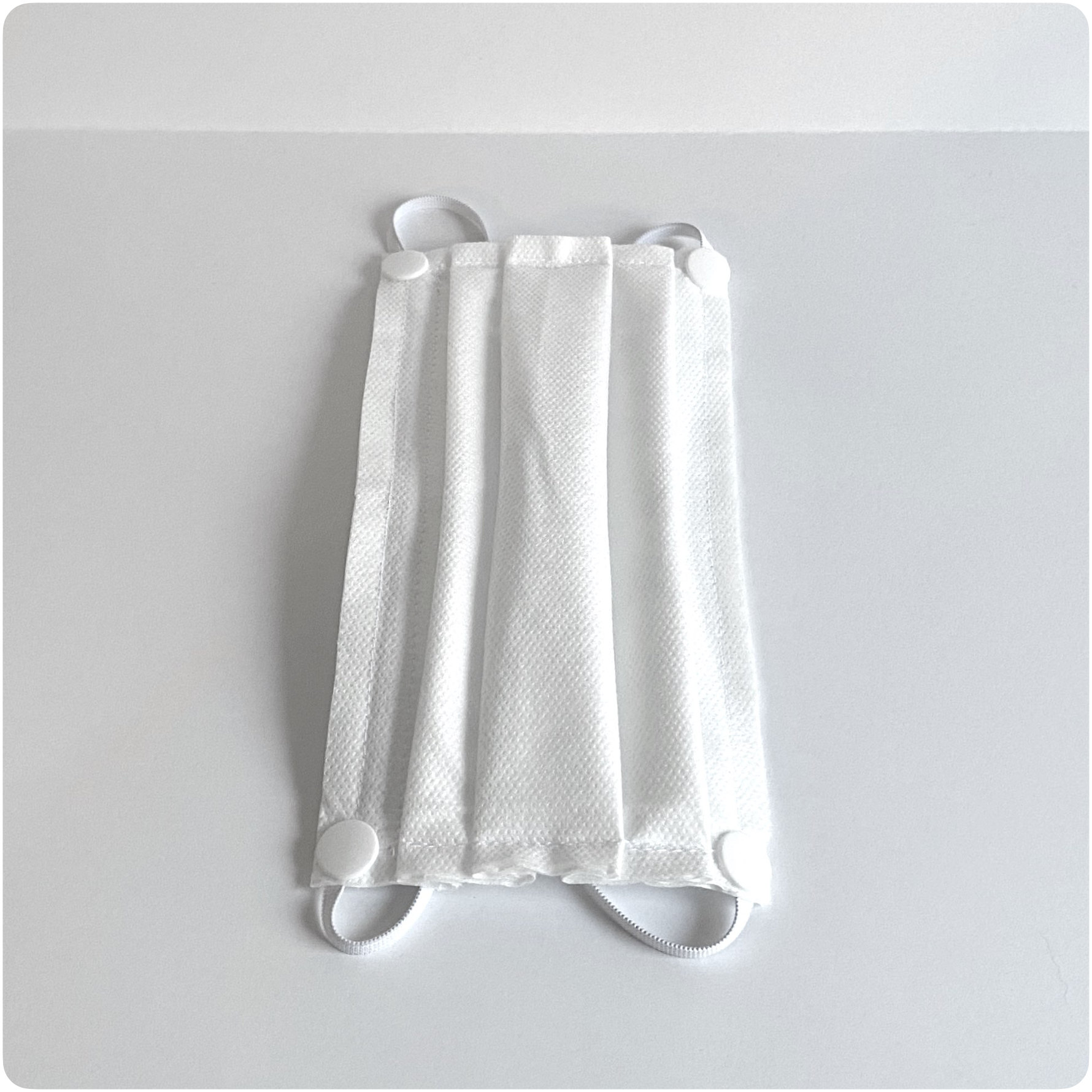
Refined design
Safe and effective
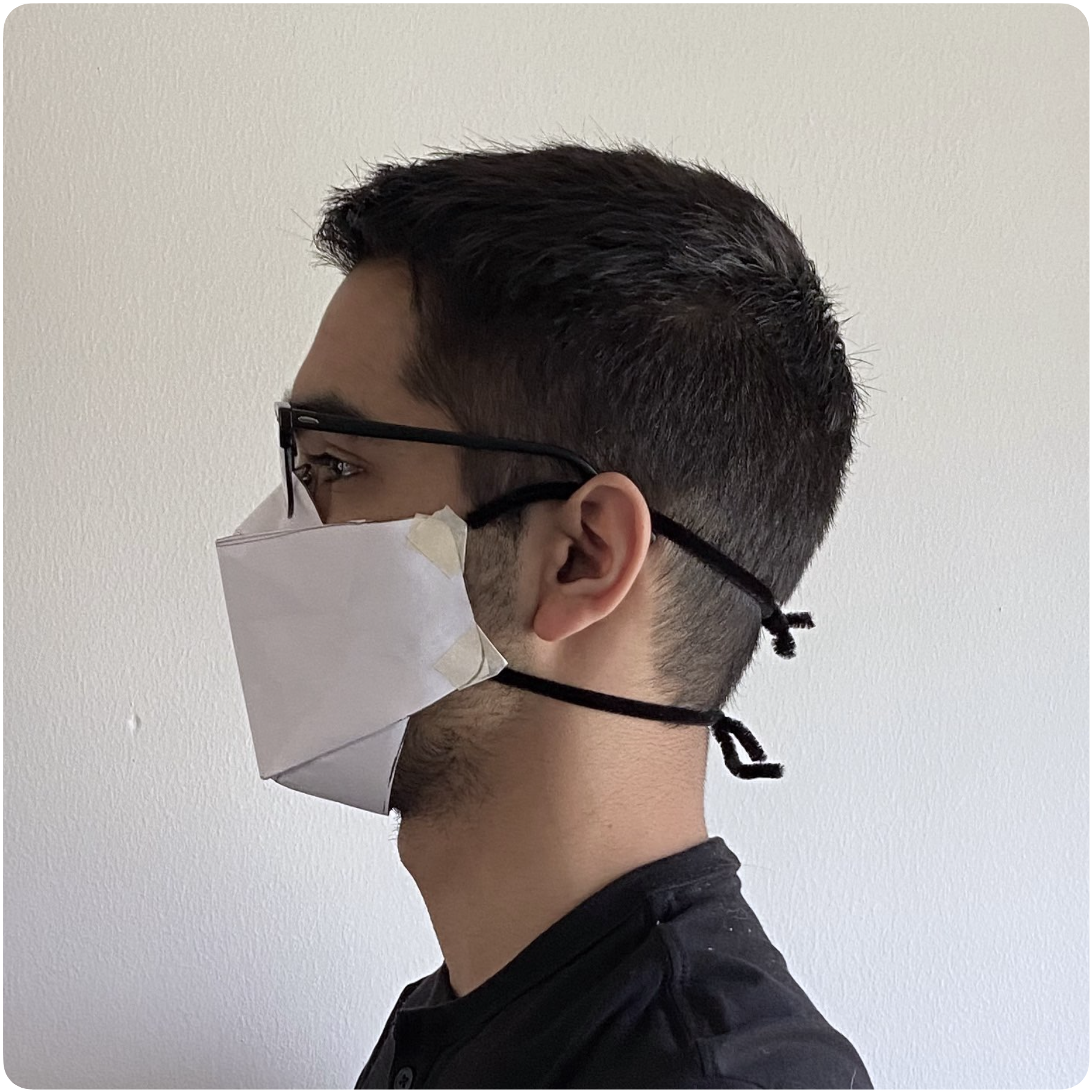
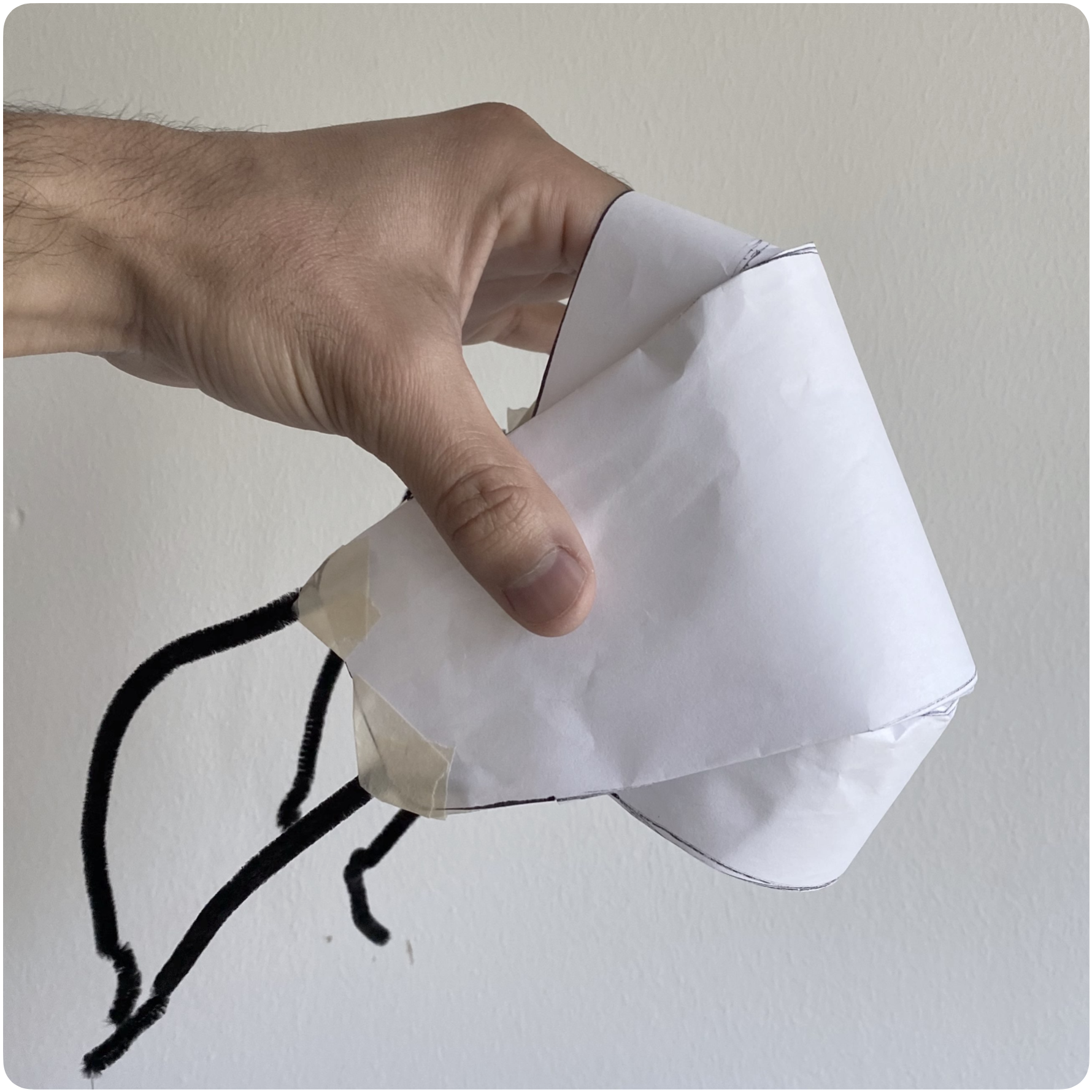
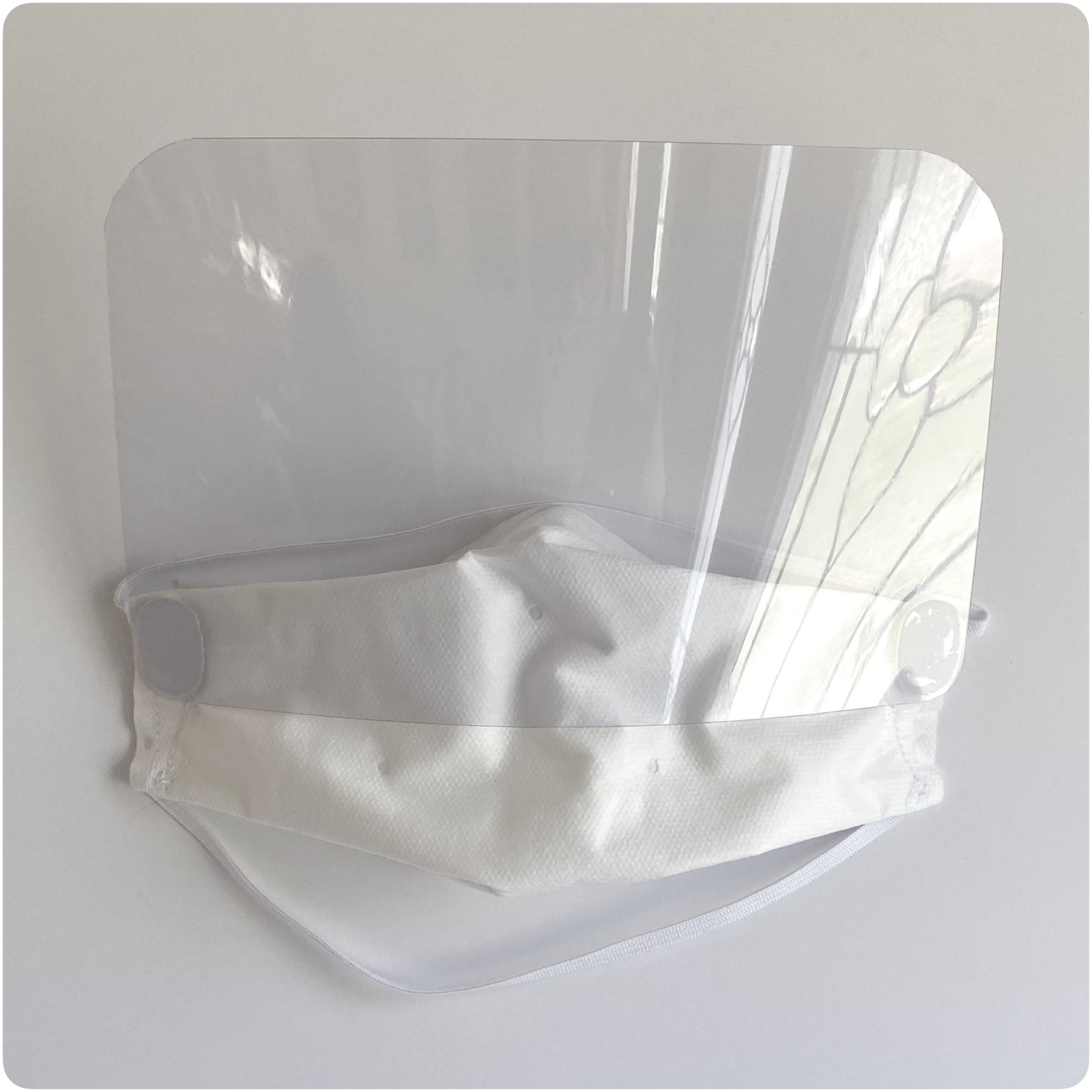
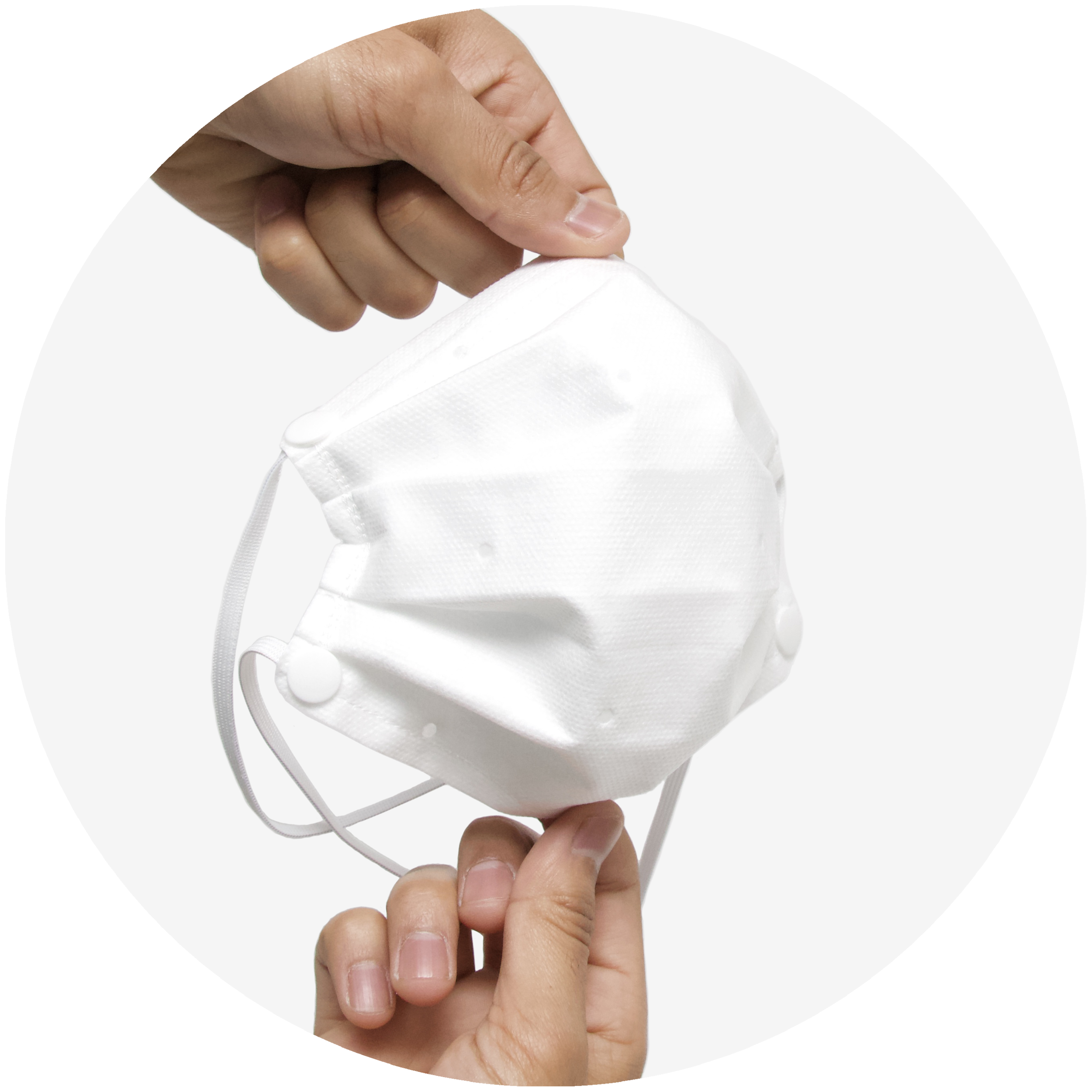
After much iteration, I came to a simple design that shares visual treats with surgical masks and seal security with N95-grade masks. The mask also utilizes two soft elastic straps which help secure the mask over the face along with a soft adjustable nose-wire to help the mask conform to the wearer’s face. In addition to the physical design,
Production
Ready for the frontline
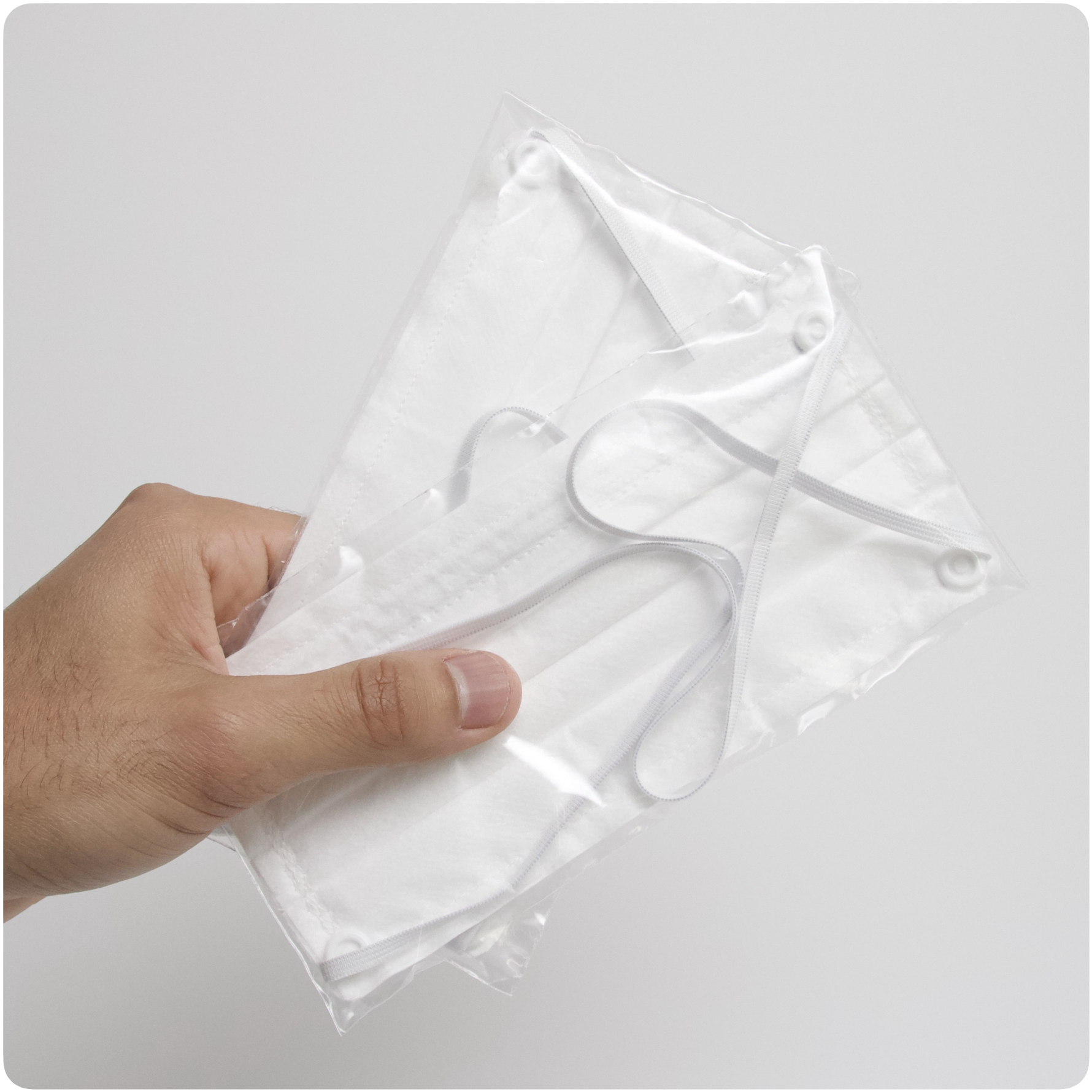
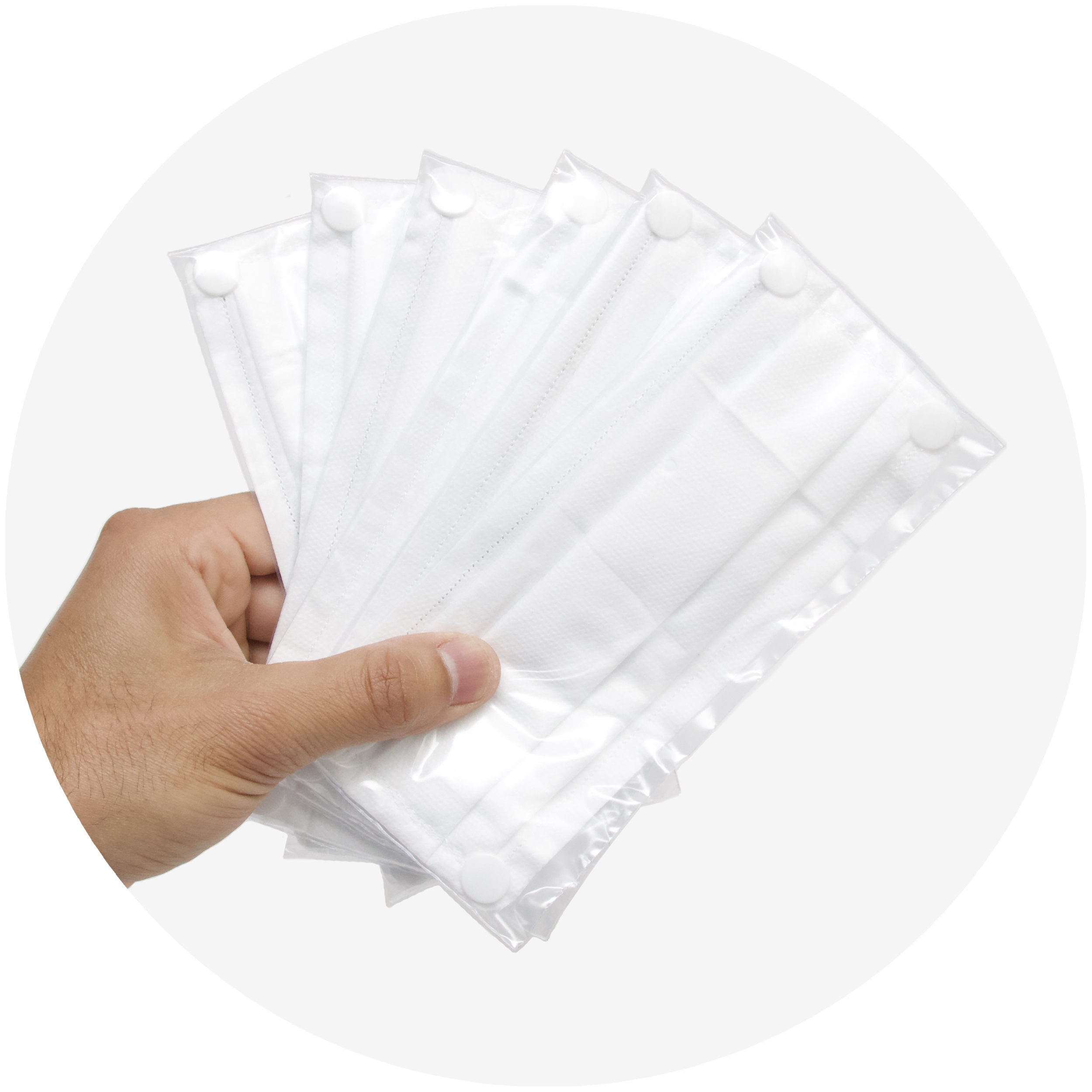
Once I decided on a design, it was time to start mass producing and distributing masks to frontline healthcare workers across the US. While preparing these masks, I took great care in ensuring I kept my work area clean and sanitized. I also took the step of sterilizing the masks with a dry heat treatment prior to packaging the masks in heat-sealed bags.
Conclusion
Real and tangible outcomes
As I reflect, this was one of the most rewarding projects I have completed. The effort began as a case-study framed around response to the pandemic, but soon become a mission to create real and tangible goods out of it. The switch occurred for me when I was connecting with clinicians experiencing the pandemic first-hand. I, on the other hand, was safe and in my childhood bedroom just listening to their stories. It was then that I felt the push within me to focus on creating effective PPE for frontline healthcare workers. After some desk research and a kind local vacuum store owner, I was able to take home dozens of freshly manufactured HEPA vacuum bags to use as my media of choice for masks. After much prototyping and iteration, I had a design that I was able to begin quickly manufacturing. In the end, I was able to distribute dozens of HEPA masks to clinicians across the US.